Can Tinnitus Trigger Headaches and Vertigo? Understanding the Link

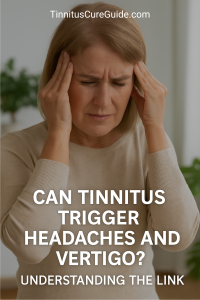
Tinnitus is often described as a constant ringing, buzzing, or humming sound in the ears. But for many people, tinnitus doesn’t show up alone. It can appear alongside headaches, dizziness, lightheadedness, “brain fog,” pressure in the head, and even vertigo.
That combination can feel scary — especially if it’s new, sudden, or unpredictable. The key is understanding that tinnitus, headaches, and vertigo often share overlapping systems in the body: the inner ear balance organs, brain sound-processing networks, neck and jaw muscles, blood flow regulation, and the stress response.
This guide explains how these systems connect, how to recognize patterns that suggest a shared cause, what usually makes symptoms worse, what often helps, and when medical evaluation matters.
Quick Answer
Yes — tinnitus can be linked to headaches and vertigo, especially when inner ear balance disorders, migraine pathways, neck or jaw tension, circulation changes, or nervous system stress responses are involved. Tinnitus does not always “cause” these symptoms directly, but they can rise together from the same underlying trigger. If symptoms are sudden, severe, one-sided, or involve hearing loss or neurological warning signs, medical evaluation is important.
How The Ear, Brain, And Balance System Work Together
The inner ear contains two key systems:
• The cochlea (hearing)
• The vestibular system (balance and spatial orientation)

These systems communicate with the brainstem, cerebellum, and multiple nerve networks that also influence:
• Head pain signaling
• Eye movement and visual stability
• Neck posture and muscle tone
• Blood flow regulation
• Sensory filtering and stress response
Because these networks are tightly linked, it’s common for tinnitus to appear with headaches or vertigo when the shared system is irritated or overstimulated.
What This Often Feels Like In Real Life
People often describe scenarios like:
• Ringing seems mild during the day but spikes at night with head pressure
• A tinnitus flare is followed by tight neck muscles, then a tension headache
• Dizziness appears during stress, poor sleep, or dehydration, along with louder ringing
• A migraine day brings ringing spikes, nausea, and balance sensitivity
• Ear fullness plus ringing shows up before a vertigo episode
These patterns do not automatically mean something dangerous is happening, but they do suggest a shared trigger worth identifying.
Self Assessment Checklist: Are Your Symptoms Likely Connected?
Your tinnitus, headaches, and vertigo may share a root cause if:
• Headaches start or worsen after tinnitus flares
• Dizziness appears when tinnitus becomes louder
• Ear fullness happens with vertigo episodes
• Neck movement changes ringing or balance sensations
• Stress worsens all symptoms
• Poor sleep worsens all symptoms
• Jaw clenching increases ear ringing and head pain
• Bright screens, skipped meals, or dehydration trigger flare-ups
Your symptoms may be less likely to be “tinnitus-driven” and more urgent to evaluate if:
• You have sudden hearing loss
• Vertigo is severe and persistent
• Symptoms are only on one side and new
• You faint or have weakness, slurred speech, or vision loss
• You have pulsatile tinnitus that matches your heartbeat
Main Cause Explanation: How Tinnitus Can Be Linked To Headaches
Nervous System Overactivation
Chronic tinnitus can keep the brain in a heightened alert state. Over time, that can contribute to:
• Sensory overload
• Increased stress hormones
• Increased muscle guarding
• Reduced ability to “filter” internal signals
This pattern often overlaps with tension headaches or pressure-type headaches.
Neck And Jaw Tension Pathways
Many people with tinnitus unconsciously:
• Clench the jaw
• Tighten shoulders
• Hold tension in the neck
• Grind teeth at night
This can irritate muscles and nerves that influence head pain and ear sensation. The result may include:
• TMJ-related head pain
• Temple pressure
• Cervicogenic headaches
• Neck tightness with ringing spikes
Migraine Connection
Migraines are neurological events, not just head pain. Migraine-related tinnitus patterns often include:
• Ringing spikes
• Throbbing head pain
• Light sensitivity
• Sound sensitivity
• Nausea
• Visual disturbances
In some people, tinnitus is a migraine symptom. In others, tinnitus acts as a stressor that contributes to migraine vulnerability.
Blood Flow And Pressure Sensitivity
Some tinnitus patterns are influenced by circulation changes. When blood pressure or vascular tone fluctuates, people may notice:
• Head pressure
• Pulsing head pain
• Visual sensitivity
• Ringing changes
This is not always pulsatile tinnitus, but circulation shifts can still influence symptom intensity.
Main Cause Explanation: How Tinnitus Can Be Linked To Vertigo And Dizziness
Shared Inner Ear System
The vestibular organs sit beside the cochlea. If tinnitus is related to:
• Inner ear inflammation
• Viral infections
• Pressure changes
• Fluid imbalance
• Circulation issues
• Ménière’s disease
• Vestibular neuritis
• Labyrinthitis
…then dizziness or vertigo can appear alongside tinnitus because the balance system is involved too.
Anxiety And Hyperventilation Link
Persistent tinnitus can increase anxiety because it feels unpredictable and hard to control. Anxiety can trigger:
• Rapid breathing
• Blood pressure shifts
• Muscle tension
• Lightheadedness
This can feel like dizziness or near-faintness, especially during stress spikes or panic-like episodes.
Cervicogenic Dizziness
Neck tension can affect balance signaling through:
• Cervical spine posture and proprioception
• Muscle tension near the base of the skull
• Vertebral artery irritation in some cases
People may feel:
• Off-balance
• “Floating” or rocking sensations
• Visual instability
• Neck stiffness with tinnitus spikes
Comparison Table: Common Patterns That Can Mimic Each Other
| Pattern | Common clues | Often overlaps with |
|---|---|---|
| Migraine related tinnitus | Light sensitivity, nausea, throbbing headache | Vertigo, dizziness |
| Inner ear balance disorder | Ear fullness, vertigo episodes, motion sensitivity | Tinnitus, nausea |
| Stress amplified symptoms | Worse with anxiety and poor sleep | Head pressure, lightheadedness |
| Neck and jaw tension | Symptoms change with posture or movement | Tension headaches, dizziness |
| Circulation and pressure shifts | Worse with dehydration, exertion, BP swings | Head pressure, tinnitus spikes |
This table is not diagnostic, but it helps you classify patterns for better decision-making.
Typical Recovery Pattern: What Improvement Often Looks Like
Improvement is often gradual and shows up as:
• Shorter flare-ups
• Less intense dizziness
• Headaches are less frequent
• Better sleep stability
• Tinnitus becomes less attention-grabbing
• Less fear response during symptoms
Many people improve when they address the shared foundations: sleep, stress regulation, muscle tension, hydration, and trigger identification.
Natural Ways To Reduce Tinnitus-Triggered Headaches And Vertigo
These approaches focus on the systems that most commonly link symptoms.
Calm The Nervous System Daily
• Deep breathing
• Progressive muscle relaxation
• Gentle yoga
• Short daily walks
• Mindfulness practice
A calmer nervous system often reduces tinnitus distress, tension headaches, and dizziness sensitivity.
Release Neck, Jaw, And Shoulder Tension
• Gentle neck stretching
• Shoulder rolls
• Jaw relaxation exercises
• Heat therapy
• Massage or trigger point work
This supports posture, reduces muscle guarding, and may reduce head pain drivers.
Support Inner Ear Balance
• Stay hydrated
• Avoid sudden head movements during flare-ups
• Eat regular meals
• Limit excess sodium if you are sensitive to fluid shifts
• Limit heavy caffeine spikes
Improve Sleep Quality
• Consistent bedtime and wake time
• Sound masking at night
• Cool, dark bedroom
• Lower screen exposure before bed
• Calm wind-down routine
Sleep is one of the strongest stabilizers for tinnitus distress, balance control, and headache frequency.
Support Stable Blood Flow And Blood Sugar
• Avoid skipping meals
• Hydrate steadily
• Avoid excessive sugar spikes and crashes
• Include magnesium-rich foods
• Add gentle daily movement
Blood sugar drops and dehydration can worsen dizziness and headache quickly.
Track Triggers
Common shared triggers include:
• Stress
• Dehydration
• Bright screens
• Loud noise exposure
• Skipped meals
• Poor posture
• Weather shifts
• Hormonal changes
A simple journal often makes patterns visible in 1–2 weeks.
Daily Routine For Stabilizing Tinnitus, Headaches, And Vertigo
Morning
• Hydration
• Light stretching
• Posture check
Midday
• Screen breaks
• Neck rolls
• Stress check-in
• Regular meal timing
Evening
• Warm shower
• Heat on neck if tense
• Gentle jaw release
• Light relaxation practice
Bedtime
• Sound masking
• Dim lighting
• Consistent sleep schedule
Small daily habits often matter more than intense changes.
Decision Support: When Monitoring At Home Is Reasonable Vs When Medical Evaluation Is Important
When Monitoring At Home Is Reasonable
• Symptoms are mild and improving
• Flare-ups clearly track to stress, sleep loss, or tension
• No hearing loss
• No severe vertigo or neurological symptoms
• Symptoms respond to hydration, rest, and calming routines
When Medical Evaluation Is Important
• Sudden hearing loss
• One-sided tinnitus with vertigo
• Severe spinning with vomiting
• Fainting or near-fainting
• Vision loss
• New neurological symptoms
• Pulsatile tinnitus matching heartbeat
• New severe headaches or “worst headache” pattern
Helpful specialists may include:
• ENT physicians
• Audiologists
• Neurologists
• Vestibular therapists
• Physical therapists (neck and posture focused)
Expectation Vs Reality
Expectation
If tinnitus triggers headaches or vertigo, something serious must be happening.
Reality
Often, the symptoms share treatable triggers like migraine pathways, stress response, dehydration, neck tension, or inner ear irritation. Serious causes are less common, but red flags should be evaluated promptly.
FAQs About Can Tinnitus Trigger Headaches And Vertigo
Can tinnitus directly cause headaches and vertigo?
Tinnitus can contribute to stress response and muscle tension, but more often, all three symptoms share an underlying trigger.
Is this combination dangerous?
Usually not, but sudden hearing loss, fainting, severe persistent vertigo, or neurological symptoms require urgent care.
Why do all three symptoms worsen during stress?
Stress activates the fight-or-flight response, tightens muscles, changes breathing patterns, and increases sensory sensitivity.
Can inner ear disorders cause tinnitus, headaches, and vertigo together?
Yes. Inner ear conditions that affect balance often produce tinnitus and vertigo together, and headaches may appear due to stress, migraine overlap, or sensory overload.
Can anxiety make tinnitus-related dizziness worse?
Yes. Anxiety can trigger lightheadedness through breathing changes, tension, and nervous system activation.
Will treating tinnitus reduce headaches and vertigo?
Often yes, especially if treatment includes nervous system calming, sleep improvement, hydration, and tension reduction.
Does posture affect all three symptoms?
It can. Forward head posture and neck tension can worsen tinnitus perception and contribute to headaches and balance sensitivity.
Conclusion: Yes, Tinnitus Can Be Linked To Headaches And Vertigo
Tinnitus is not only an ear symptom. It is connected to brain sound-processing networks, nervous system regulation, neck and jaw muscles, circulation, and the inner ear balance system. When tinnitus becomes persistent or intense, headaches and vertigo can occur alongside it — often because the same underlying triggers affect all three.
The most effective approach is usually system-based:
• Calm the nervous system
• Reduce neck and jaw tension
• Support hydration and regular meals
• Improve sleep quality
• Identify and reduce triggers
• Seek medical evaluation for red flags
Many people see meaningful improvement when these foundations are addressed consistently.
Medical Disclaimer
This article is for informational purposes only and does not constitute medical advice. Tinnitus, headaches, and vertigo may be symptoms of underlying medical conditions requiring professional evaluation. Always consult a qualified healthcare provider, ENT specialist, neurologist, or audiologist before beginning any new treatment plan. Seek immediate medical attention for sudden hearing loss, fainting, vision loss, severe vertigo with vomiting, or new neurological symptoms.
 Explore more:
- How To Stop Ringing In The Ears Naturally
- Peppermint Tea and Tension Tinnitus
- Green Tea for Tinnitus