Can Tinnitus Cause Headaches and Dizziness? The Hidden Connection Explained
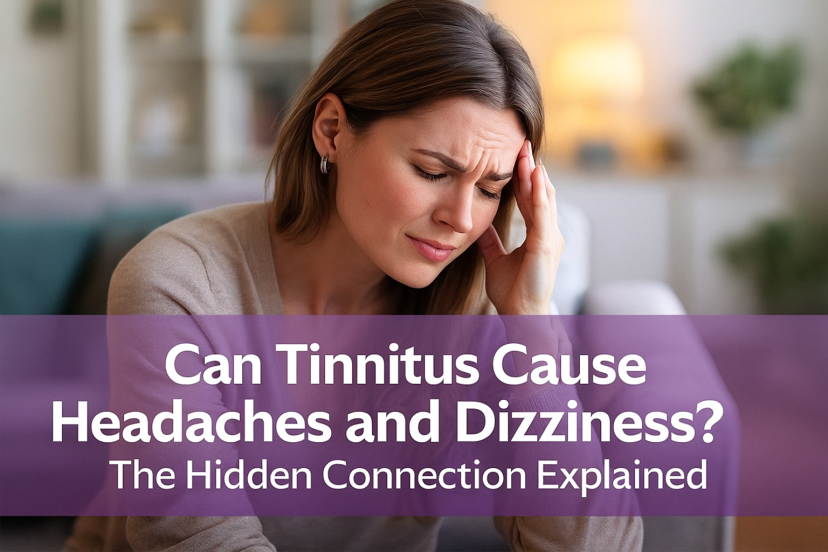
Many people with tinnitus don’t just experience ringing in the ears — they also struggle with headaches, lightheadedness, balance problems, brain fog, or pressure in the head. When these symptoms appear together, it can feel confusing and sometimes frightening.
This leads to a very common and important question: Can tinnitus cause headaches and dizziness?
The short answer is that tinnitus is often connected to headaches and dizziness — especially when the nervous system, inner ear balance system, circulation, muscle tension, and stress response are involved.
In this comprehensive guide, you’ll learn how these symptoms can be connected, what this often looks like in real life, how to assess your situation safely, and how to decide when medical evaluation is important.
Quick Answer
Yes — tinnitus can be associated with headaches and dizziness because the hearing system, balance system, nervous system, and blood flow regulation are closely linked. These symptoms often occur together when inner ear irritation, muscle tension, migraines, stress responses, or circulation changes are present. While usually not dangerous, new or severe symptoms should always be medically evaluated.
How The Ears, Brain, And Balance System Are Connected
The auditory system does much more than detect sound. It is closely connected to:

• The balance system (vestibular system)
• Blood vessels in the head and neck
• The cervical spine
• The trigeminal nerve
• The autonomic nervous system
Because of this deep integration, a problem in one system often influences the others. Tinnitus rarely exists in isolation.
Nervous System And Whole-Body Context: Why Symptoms Can Stack Together
Tinnitus is not just an “ear issue.” It often involves how the brain processes sound and threat signals.
When the brain detects abnormal auditory input, it may:
• Increase alertness to sound
• Raise stress hormone levels
• Tighten neck and jaw muscles
• Increase sensitivity to light and motion
• Reduce balance tolerance
This can create a symptom cluster — where ringing, head pressure, dizziness, and fatigue all reinforce each other.
This is sometimes called sensory amplification, in which the brain becomes more sensitive to internal bodily signals.
Main Reasons Tinnitus Can Be Linked To Headaches And Dizziness
1. Nervous System Overactivation And Headaches
Tinnitus can place the brain in a constant “monitoring mode,” leading to:
• Sensory overload
• Heightened alertness
• Increased stress hormones
• Muscle guarding in the head and neck
Over time, this may contribute to:
• Tension headaches
• Pressure headaches
• Cervicogenic headaches
2. Neck And Jaw Tension
Tinnitus often leads to unconscious tension patterns such as:
• Jaw clenching
• Shoulder hunching
• Neck tightening
• Teeth grinding
This can compress nerves and blood vessels connected to the ears and brainstem.
Possible results include:
• Tension headaches
• TMJ-related pain
• Cervical dizziness
• Ear pressure
• Visual strain
• Tinnitus fluctuation
3. Shared Inner Ear Origin
The inner ear contains:
• The cochlea (hearing)
• The vestibular system (balance)
If the inner ear is irritated due to:
• Inflammation
• Viral infections
• Pressure changes
• Circulation issues
• Ménière’s disease
• Vestibular migraine
…both tinnitus and dizziness may occur together.
4. Migraine Mechanisms
Migraines are neurological events, not just head pain.
Migraine-related tinnitus may include:
• Ringing spikes
• Throbbing pain
• Dizziness or vertigo
• Visual aura
• Sound sensitivity
• Nausea
5. Circulation And Blood Pressure Changes
Blood flow affects:
• Auditory nerve
• Balance centers
• Brainstem
• Visual processing centers
Changes caused by stress, dehydration, blood pressure shifts, or hormonal changes can trigger all three symptoms together.
6. Sleep Disruption Feedback Loop
Poor sleep can amplify:
• Pain sensitivity
• Sound sensitivity
• Balance instability
• Stress response
This often creates a cycle:
Tinnitus → Poor sleep → Headaches → Dizziness → Anxiety → Tinnitus spike
What This Often Feels Like In Real Life
Real-Life Scenario 1: Stress-Driven Flare
You notice the ringing gets louder during stressful weeks. Then, headaches start behind the eyes. By afternoon, you feel slightly off balance.
Real-Life Scenario 2: Neck Tension Pattern
After long screen days, you develop neck stiffness, head pressure, and mild dizziness when turning your head quickly. Tinnitus may fluctuate with posture.
Real-Life Scenario 3: Inner Ear Trigger
After a cold, flight, or loud noise exposure, you develop ear fullness, ringing, and brief dizziness episodes.
Self-Assessment Checklist
You may be experiencing a linked symptom pattern if:
• Ringing Worsens During Headaches
• Dizziness Appears When Tinnitus Spikes
• Symptoms Increase During Stress
• Neck Or Jaw Movement Changes Symptoms
• Poor Sleep Worsens All Three
• Ear Fullness Occurs With Head Pressure
• Light Or Sound Sensitivity Triggers Symptoms
This does not replace diagnosis, but it can help guide conversations with healthcare providers.
Comparison: Common Patterns That Cause Tinnitus + Headache + Dizziness
| Pattern | Common Clues | Often Triggered By |
|---|---|---|
| Tension / Cervical | Neck tightness, posture related | Screens, stress, poor ergonomics |
| Migraine Related | Light sensitivity, aura, nausea | Hormones, stress, sleep loss |
| Inner Ear / Vestibular | Vertigo, ear fullness | Infections, pressure changes |
| Circulatory | Pulsing sound, lightheadedness | Dehydration, BP changes |
| Stress Nervous System | Fluctuating symptoms | Anxiety, overload |
Decision Support: Monitor Vs Seek Medical Evaluation
When Monitoring At Home Is Often Reasonable
If symptoms are:
• Mild
• Gradual onset
• Stress or posture related
• Improving with rest or hydration
• Occasional rather than constant
When Medical Evaluation Is Important
Seek evaluation if symptoms include:
• Sudden hearing loss
• New one-sided tinnitus with dizziness
• Severe spinning vertigo
• Fainting
• Vision loss
• Neurological weakness
• Pulsatile tinnitus matching heartbeat
Expectation Vs Reality
Expectation:
“If tinnitus is causing headaches and dizziness, something serious must be wrong.”
Reality:
Most combined symptom patterns are related to nervous system sensitivity, muscle tension, migraine patterns, or inner ear irritation — not dangerous disease. But proper evaluation is still important.
Expectation:
“If I fix tinnitus, everything disappears immediately.”
Reality:
Improvement often happens gradually as sleep, stress, posture, and nervous system regulation improve.
Typical Recovery Pattern (Varies By Cause)
Early Phase (Days To Weeks)
• Symptom fluctuations
• Stress sensitivity
• Sleep disruption
Stabilization Phase (Weeks To Months)
• Fewer spikes
• Better stress tolerance
• Improved balance confidence
Long-Term Management
• Trigger awareness
• Nervous system regulation
• Neck and posture care
• Hearing protection
How To Reduce Tinnitus-Related Headaches And Dizziness Naturally
1. Release Neck, Shoulder, And Jaw Tension
• Gentle Neck Stretching
• Shoulder Rolls
• Jaw Relaxation Exercises
• Heat Therapy
• Massage Or Trigger Point Therapy
2. Support Inner Ear Balance
• Stay Hydrated
• Avoid Sudden Head Movements
• Limit Sodium If Sensitive
• Limit Excess Caffeine
• Eat Regular Balanced Meals
3. Regulate The Nervous System
• Deep Breathing
• Meditation
• Gentle Yoga
• Progressive Muscle Relaxation
• Relaxation Teas (Chamomile, Lemon Balm, Peppermint)
4. Improve Sleep Quality
• Fixed Bedtime Schedule
• Sound Masking At Night
• No Screens Before Bed
• Dark, Cool Room
• Wind-Down Routine
5. Support Blood Flow And Blood Sugar
• Do Not Skip Meals
• Avoid Dehydration
• Avoid Sugar Spikes
• Eat Magnesium-Rich Foods
• Gentle Daily Movement
6. Track And Avoid Triggers
Common shared triggers include:
• Stress
• Bright Screens
• Dehydration
• Skipped Meals
• Loud Noise Exposure
• Poor Posture
• Weather Changes
• Hormonal Shifts
Daily Stabilization Routine Example
Morning
• Hydration
• Light Stretching
• Posture Check
Midday
• Screen Breaks
• Shoulder Rolls
• Stress Check-In
Evening
• Warm Shower
• Neck Heat Therapy
• Relaxation Tea
• Gentle Jaw Stretch
Bedtime
• Sound Masking
• Low Lighting
• Consistent Schedule
FAQ About Can Tinnitus Cause Headaches and Dizziness
Can tinnitus alone cause headaches and dizziness?
It can contribute indirectly by increasing stress, muscle tension, and sleep disruption, which are known headache and dizziness triggers.
Is this usually dangerous?
Usually not. However, sudden neurological or hearing changes should always be evaluated quickly.
Why do symptoms flare during stress?
Stress activates the fight-or-flight system, increases muscle tension, alters blood flow, and increases sensory sensitivity.
Can posture really affect tinnitus and dizziness?
Yes. Neck muscle tension and nerve compression can influence balance signals and auditory nerve signaling.
Can dehydration cause tinnitus and dizziness together?
Yes. Reduced blood volume and electrolyte imbalance can affect both brain and inner ear stability.
Can anxiety make tinnitus and dizziness feel worse?
Yes. Anxiety increases sensory vigilance and can amplify perception of both sound and motion imbalance.
Can these symptoms improve?
Many people see improvement when root contributors like sleep quality, stress load, hydration, posture, and migraine triggers are managed.
Conclusion: Tinnitus Can Sometimes Be Linked To Headaches And Dizziness
Tinnitus can be associated with headaches and dizziness, especially when inner ear function, nervous system activation, muscle tension, sleep quality, or circulation changes are involved.
While these symptoms can feel alarming, they do not always indicate a serious medical condition. Many people experience temporary or fluctuating episodes that improve with proper evaluation, lifestyle adjustments, and symptom management.
If symptoms are new, severe, or worsening, a medical evaluation is important to rule out underlying conditions.
Tracking triggers, protecting hearing, managing stress, and supporting overall wellness may help improve daily comfort and symptom stability over time.
Medical Disclaimer
This article is for informational purposes only and does not constitute medical advice. Tinnitus, headaches, and dizziness may signal underlying medical conditions that require professional evaluation. Always consult a qualified healthcare provider, ENT specialist, neurologist, or audiologist before beginning any new treatment plan.
 Explore more: