Can Tinnitus Cause Dizziness? Understanding The Link Between Ringing Ears, Balance, And Vertigo
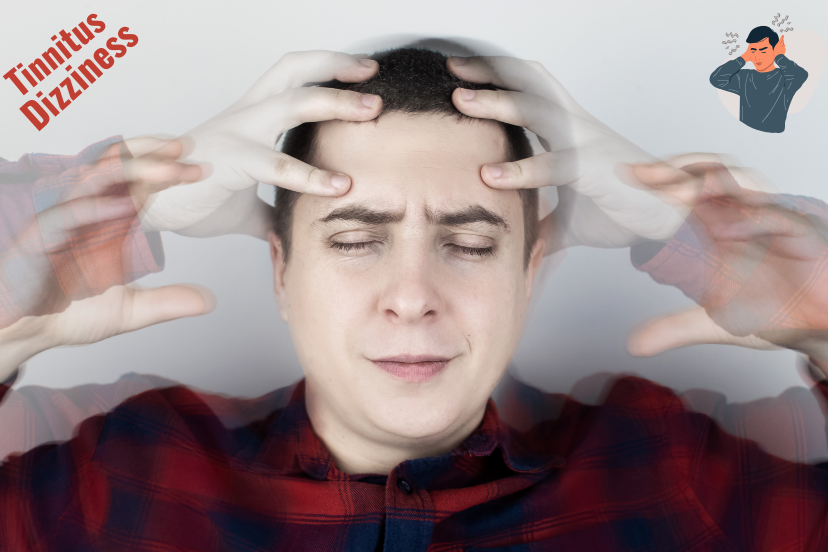
Can tinnitus cause dizziness? If you have tinnitus and you also feel dizzy, lightheaded, off-balance, or “floaty,” it can be unsettling. Many people assume the ringing must be causing the dizziness — but the relationship is usually more nuanced.
Tinnitus and dizziness often show up together because the hearing system and balance system live side-by-side in the inner ear and share nerve pathways. That means one underlying issue can trigger both symptoms at the same time.
Quick Answer
Yes, tinnitus can be associated with dizziness, vertigo, or balance problems, especially when an inner ear or vestibular condition is involved. Tinnitus does not always directly cause dizziness, but both symptoms often share the same trigger, such as vestibular disorders, migraine-related vertigo, ear infections or fluid, hearing changes, medication effects, or anxiety-related nervous system activation. If symptoms are one-sided, sudden, severe, or paired with hearing changes or neurological signs, medical evaluation is important.
Why Tinnitus And Dizziness Often Happen Together
The inner ear contains two connected systems:
• The Auditory System (Hearing)
• The Vestibular System (Balance)
Because these systems sit next to each other and share nerve signaling routes, inner ear irritation can trigger:
• Ringing In The Ears
• Dizziness Or Vertigo
• Unsteadiness Or Balance Issues
• Ear Fullness Or Pressure
• Motion Sensitivity
This is why tinnitus and dizziness often appear together rather than as isolated symptoms.
What This Often Feels Like In Real Life
People describe “dizziness” in different ways. You may notice:
• Swaying Or Rocking While Standing Still
• Feeling Unsteady In Grocery Store Aisles
• A Floating Or “Off” Head Sensation
• Brief Spinning When Rolling In Bed
• Ear Ringing Spiking During Motion Or Stress
• A Wobbly Feeling When Walking In The Dark
These details matter because the sensation type can hint at the most likely cause.
Real Life Scenario
Scenario 1: Brief Vertigo With Position Changes
You roll over in bed or look up quickly and get a short burst of spinning for 10–30 seconds. Your tinnitus may feel louder afterward because your nervous system is “on alert.” This pattern often fits positional vertigo and may improve with targeted maneuvers guided by a clinician.
Scenario 2: Ear Fullness, One-Sided Symptoms, And Attacks
You have episodes of vertigo that last longer, plus ear fullness and fluctuating hearing on one side. Tinnitus is present in the same ear. This cluster can be consistent with inner ear fluid or vestibular disorders and should be evaluated.
Scenario 3: Stress Loop
Your tinnitus has been bothering you. You start sleeping poorly, feel tense, breathe shallowly, and notice lightheadedness. The dizziness increases your worry, and the tinnitus feels even louder. This can reflect nervous system activation rather than a dangerous cause, but it still benefits from the right medical screening and a calming plan.
What Is Tinnitus?
Tinnitus is the perception of sound without an external source. It may sound like:
• Ringing
• Buzzing
• Hissing
• Humming
• Clicking
• Pulsing In Sync With The Heartbeat
Tinnitus may be temporary or chronic, constant or fluctuating, and in one ear or both. It is typically a symptom related to hearing changes, inner ear conditions, or how the brain processes sound signals.
What Counts As Dizziness?
“Dizziness” is a broad term that can mean:

• Lightheadedness
• Feeling Off-Balance
• Unsteadiness While Walking
• Floating Or Swaying Sensations
• Spinning Sensation (Vertigo)
Vertigo Vs Dizziness: Why The Difference Matters
1. Vertigo
Vertigo is a spinning or moving sensation. It points more strongly to vestibular system involvement.
2. Dizziness
Dizziness can be lightheadedness, unsteadiness, or a vague “off” feeling. It can come from many sources, including inner ear issues, migraine, anxiety, dehydration, blood pressure changes, and medication effects.
Can Tinnitus Cause Dizziness, Or Is Something Else Causing Both?
In most cases, tinnitus and dizziness show up together because they share an underlying cause. Common shared triggers include:
• Inner Ear Disorders
• Vestibular Migraine
• Ear Infections Or Fluid Problems
• Hearing Loss And Auditory Imbalance
• Medication Side Effects
• Anxiety And Panic-Related Dizziness
• Blood Pressure Or Circulation Shifts
The goal is not to guess — it’s to recognize patterns and know when evaluation is needed.
Common Causes Of Tinnitus And Dizziness Together
Ménière’s Disease
Ménière’s disease is often associated with:
• Vertigo Episodes
• Fluctuating Hearing Loss
• Tinnitus
• Ear Fullness Or Pressure
Symptoms often occur in one ear and can come in attacks.
BPPV: Benign Paroxysmal Positional Vertigo
BPPV causes brief spinning triggered by head movement, often when:

• Rolling In Bed
• Looking Up
• Bending Down
Tinnitus may coexist, especially if there is inner ear sensitivity or hearing changes, but BPPV itself is mainly a balance-crystal issue.
Vestibular Migraine
Vestibular migraine can cause dizziness or vertigo with:
• Light Or Sound Sensitivity
• Head Pressure Or Migraine Features
• Motion Sensitivity
• Tinnitus Spikes
Some people have vestibular migraine with minimal headache.
Ear Infections Or Fluid Behind The Eardrum
Infections or Eustachian tube dysfunction can trigger:
• Ear Pressure
• Muffled Hearing
• Tinnitus
• Balance Disturbance Or Mild Dizziness
Noise Exposure And Hearing Changes
Noise exposure and hearing loss can increase tinnitus. Dizziness may occur if the inner ear has been irritated, inflamed, or overstimulated, especially after intense sound exposure.
Medication Side Effects
Some medications can affect hearing or balance, including:
• Certain Antibiotics
• Some Diuretics
• High-Dose NSAIDs
• Some Chemotherapy Medications

Never stop a prescribed medication without medical guidance.
Anxiety, Panic, And Hyperventilation
Anxiety can cause dizziness and make tinnitus feel louder by:
• Increasing Nervous System Alertness
• Triggering Hyperventilation
• Tightening Neck And Jaw Muscles
• Increasing Attention Toward Internal Sensations
This can create a loop where tinnitus raises anxiety, and anxiety increases dizziness.
Nervous System Context: Why Symptoms Can Feel Worse Than They “Should”
Even when a condition is not dangerous, tinnitus plus dizziness can feel intense because the brain treats balance disruption as a threat.
When the nervous system is activated:
• The Brain Scans For Danger More Often
• Muscle Tension Increases
• Breathing Becomes Shallow
• Sound Sensitivity Can Increase
• Tinnitus Can Feel Louder
This is not “all in your head.” It’s the body’s protective response. The good news is that calming strategies, sleep restoration, and correct diagnosis often reduce symptom intensity over time.
Self-Assessment Checklist: Does This Sound Like Your Situation?
Use this checklist to clarify what you’re experiencing:
• Dizziness Feels Like Spinning (Vertigo)
• Dizziness Feels Like Lightheadedness
• Symptoms Are Worse With Head Movement
• Symptoms Are Worse In Busy Visual Environments
• Tinnitus Is In One Ear Only
• Ear Fullness Or Pressure Is Present
• Hearing Seems Muffled Or Reduced
• Symptoms Started After A Cold Or Ear Infection
• Symptoms Started After Loud Noise Exposure
• Migraine Features Occur (Light Sensitivity, Nausea, Head Pressure)
• Anxiety Or Panic Symptoms Are Present
• You Recently Started Or Increased A Medication
If you check several boxes, a clinician can use those clues to guide testing and treatment options.
Typical Recovery Pattern (Recovery Timeline)
Recovery depends on the cause. These are common patterns people notice:
If Triggered By Infection Or Fluid
• Days To Weeks — Ear pressure and balance symptoms often improve as inflammation settles
• Several Weeks — Tinnitus may fade gradually if the trigger resolves
If Due To BPPV
• Days To Weeks — Often improves with correct repositioning maneuvers or vestibular therapy
• Short Spikes — Mild unsteadiness can linger temporarily
If Vestibular Migraine Is A Factor
• Weeks To Months — Improvement often comes from trigger management, sleep stabilization, and migraine-focused care
• Flare Pattern — Symptoms may come in episodes rather than be constant
If Anxiety Or Nervous System Overload Is Driving Symptoms
• Days To Weeks — Lightheadedness can improve with breathing, sleep, hydration, and reducing avoidance behaviors
• Ongoing — Tinnitus distress often improves as the brain learns it is not a threat
If symptoms are persistent or worsening, evaluation helps avoid missing treatable causes.
Comparison Table: Common Patterns When Tinnitus And Dizziness Occur Together
| Pattern | What It Often Feels Like | What It May Suggest |
|---|---|---|
| Brief Spinning With Position Changes | Short Vertigo Bursts When Rolling Or Looking Up | BPPV |
| Ear Fullness With One-Sided Attacks | Vertigo Episodes Plus Hearing Changes | Ménière’s Or Inner Ear Fluid Issues |
| Motion Sensitivity With Migraine Features | Dizziness Without Much Headache Sometimes | Vestibular Migraine |
| Pressure After Cold Or Sinus Issues | Muffled Hearing, Full Ear, Mild Dizziness | Infection Or Eustachian Tube Dysfunction |
| Lightheaded With Stress And Poor Sleep | Floaty, Off, Worse With Anxiety | Nervous System Activation |
This table is not a diagnosis. It’s a pattern guide to support the next steps.
When Monitoring At Home Is Reasonable
Monitoring may be reasonable if:
• Symptoms Are Mild And Improving
• There Is A Clear Temporary Trigger (Recent Cold, Fatigue, Stress, Mild Ear Pressure)
• No New Hearing Loss Is Present
• No Neurological Symptoms Occur
• Dizziness Is Not Severe Vertigo
Even then, persistent symptoms should be discussed with a clinician.
When Medical Evaluation Is Important
Seek urgent evaluation if you have:
• Sudden Hearing Loss In One Ear
• Severe Vertigo With Vomiting Or Dehydration Risk
• New Pulsatile Tinnitus (Heartbeat Sound)
• Neurological Symptoms (Weakness, Slurred Speech, Facial Droop)
• Severe Headache With New Dizziness
• Fainting Or Chest Pain
These symptoms require prompt assessment.
Expectation Vs Reality
Expectation: “Tinnitus Is Causing My Dizziness”
Reality: Often, both symptoms share the same root cause, especially in inner ear and migraine-related conditions.
Expectation: “If I Feel Dizzy, It Must Be Dangerous”
Reality: Many vestibular issues are benign and treatable, but red flags should be checked.
Expectation: “If The Test Is Normal, Nothing Is Wrong”
Reality: Some vestibular and migraine patterns do not show up on basic tests. Symptom patterns still guide care.
Expectation: “Resting Completely Is Best”
Reality: For some vestibular conditions, gentle guided movement and vestibular therapy can improve recovery and confidence.
How To Manage Tinnitus-Related Dizziness: What Actually Helps
Get The Right Diagnosis First
A helpful first step is identifying whether symptoms point toward:
• Vestibular Disorder
• Hearing Loss Pattern
• Infection Or Fluid
• Migraine
• Anxiety Or Blood Pressure Changes
An ENT, audiologist, or primary care clinician can guide testing and referrals.
Use Sound Support For Tinnitus Spikes
Background sound can reduce stress and tinnitus intensity, especially in quiet rooms:
• White Noise Or Pink Noise
• Fan Or Air Purifier Sound
• Nature Sounds
• Hearing Aids If Hearing Loss Is Present
Reduce Stress And Nervous System Overload
Calming the nervous system can reduce both tinnitus distress and dizziness sensitivity:
• Slow Breathing Exercises
• Progressive Muscle Relaxation
• Gentle Yoga Or Stretching
• Mindfulness Practice
Improve Sleep, Hydration, And Meal Consistency
Both tinnitus and dizziness can worsen with fatigue and dehydration:
• Consistent Sleep Times
• Reduced Late-Day Caffeine
• Adequate Water Intake
• Balanced Meals And Electrolytes
Consider Vestibular Rehabilitation Therapy
Vestibular rehabilitation therapy can help:
• Retrain Balance Pathways
• Reduce Dizziness Triggers
• Improve Walking Stability
• Build Confidence With Movement
This is especially helpful for vestibular disorders and post-viral dizziness.
Practical Steps: How Do I Stop Dizziness When I Have Tinnitus?
These steps often help while you pursue evaluation:
• Schedule An ENT Or Audiology Visit If Symptoms Persist
• Avoid Sudden Head Movements During Active Vertigo
• Hydrate And Eat Regularly
• Reduce Alcohol And Excess Caffeine
• Use Background Sound In Quiet Settings
• Ask About Vestibular Therapy If Symptoms Persist
• Review Medications With A Clinician If Dizziness Started Recently
• Prioritize Sleep And Stress Reduction
Prevention Tips For Future Flare-Ups
You cannot prevent every episode, but you can reduce risk by supporting your inner ear and nervous system:
• Protect Hearing From Loud Noise
• Take Breaks From Headphones
• Stay Hydrated And Avoid Skipping Meals
• Keep Sleep Routine Consistent
• Manage Migraine Triggers If You Have Them
• Build Stress Recovery Into Your Day
FAQs About Can Tinnitus Cause Dizziness
Can Tinnitus Cause Headaches And Dizziness?
Yes. Tinnitus can be associated with headaches and dizziness, especially with vestibular migraine, inner ear disorders, or stress-related nervous system activation.
Why Do I Feel Dizzy With Tinnitus?
Many people feel dizzy with tinnitus because both symptoms can come from inner ear imbalance, fluid problems, vestibular conditions, migraine, anxiety, dehydration, or medication effects.
Can Tinnitus Affect Balance?
Yes. If tinnitus is linked to vestibular system dysfunction, balance can be affected. This is common in conditions such as Ménière’s disease, vestibular migraine, or inner ear inflammation.
Can Stress Worsen Tinnitus And Dizziness?
Yes. Stress can increase tinnitus awareness and contribute to dizziness through nervous system activation, sleep disruption, and muscle tension.
Can Hearing Aids Help If I Have Tinnitus And Dizziness?
If hearing loss is present, hearing aids may reduce tinnitus perception by restoring sound input. They do not directly treat dizziness, but improved hearing can reduce strain for some people.
Can Earwax Cause Tinnitus And Dizziness?
Sometimes. Earwax blockage can cause muffled hearing and tinnitus, and it may contribute to imbalance in some people. A clinician can check this safely.
Can Dehydration Or Low Blood Sugar Cause Dizziness With Tinnitus?
Yes. Dehydration and irregular meals can increase lightheadedness and make tinnitus feel more intrusive, especially during stress or fatigue.
Can Tinnitus Cause Dizziness? Final Thoughts
Yes — tinnitus and dizziness often appear together, usually because of a shared inner ear, vestibular, migraine-related, or stress-related cause. While tinnitus does not always directly “cause” dizziness, their overlap is common and manageable once the root issue is identified.
If you experience tinnitus with dizziness — especially vertigo, one-sided symptoms, hearing changes, or red-flag symptoms — the best next step is a professional evaluation. With the right diagnosis and support plan, many people can reduce symptoms and regain confidence in daily life.
Medical Disclaimer
This article is for informational purposes only and does not replace professional medical advice. Always consult a licensed healthcare provider for diagnosis and treatment of tinnitus, dizziness, vertigo, or related conditions.
 Explore more: