Can Stress Cause Tinnitus? Understanding The Link Between Anxiety, Cortisol, And Ringing In The Ears

⚡ Can Stress Cause Tinnitus? (Quick Answer)
Yes — stress can cause tinnitus or make existing tinnitus noticeably worse.
Stress activates the nervous system, alters blood flow, increases muscle tension, and heightens the brain’s focus on internal sounds. For many people, tinnitus begins or intensifies during periods of anxiety, emotional overload, burnout, or prolonged stress.
In many cases, stress-related tinnitus improves once stress levels decrease and the nervous system stabilizes.
❓ Why Stress And Tinnitus Are So Closely Linked
Tinnitus — the perception of ringing, buzzing, hissing, or pulsating sounds without an external source — affects millions of people worldwide. While tinnitus is often associated with hearing loss or noise exposure, stress is one of the most overlooked and misunderstood triggers.
Many people first notice tinnitus:
-
During intense anxiety
-
After emotional trauma
-
During chronic work or life stress
-
Alongside panic attacks or sleep disruption
Understanding how stress affects the auditory system is essential for managing tinnitus effectively — especially when medical tests show no obvious ear damage.
🔍 What Is Tinnitus?
Tinnitus is a neurological and auditory condition where the brain perceives sound without an external stimulus. These sounds may include:
-
Ringing
-
Buzzing
-
Hissing
-
Humming
-
Clicking
-
Pulsating or rhythmic noise
Tinnitus can be:
-
Temporary or chronic
-
Mild or intrusive
-
Constant or fluctuating
-
In one ear or both
The severity often depends less on ear damage and more on how the brain and nervous system respond to sound signals.
👂 Can Stress Actually Cause Tinnitus?
Stress may not damage the ears directly, but it creates the perfect conditions for tinnitus to appear or worsen.
When the body is under stress:
-
The fight-or-flight response activates
-
Stress hormones such as cortisol and adrenaline rise
-
The brain becomes hyper-alert
-
Sensory processing becomes amplified
This heightened alert state makes the brain more likely to detect and focus on internal noises — including tinnitus.
⚙️ How Stress Triggers Or Worsens Tinnitus
1. Nervous System Overactivation
Chronic stress keeps the nervous system in a constant state of alert. This:
-
Increases auditory sensitivity
-
Disrupts normal sound filtering
-
Makes background noise harder to ignore
The brain begins to treat tinnitus as a threat, making it louder and more persistent.
2. Cortisol And Auditory Sensitivity
Stress increases cortisol levels, which can:
-
Alter blood flow to the inner ear
-
Affect auditory nerve signaling
-
Increase sound perception intensity
Elevated cortisol is strongly linked to fluctuating, stress-dependent tinnitus.
3. Muscle Tension In The Neck And Jaw
Stress often causes:
-
Jaw clenching
-
Teeth grinding
-
Neck and shoulder tension
These muscular changes can interfere with auditory pathways and worsen tinnitus — especially somatic or unilateral tinnitus.
4. Increased Brain Focus On Internal Sounds
Stress reduces the brain’s ability to filter out non-important signals. Silence, fatigue, and anxiety cause the brain to zoom in on tinnitus, making it feel louder even if sound levels haven’t changed.
🎧 Stress-Related Tinnitus Feels Different
Many people with stress-induced tinnitus report that it:
-
Appears suddenly during anxiety
-
Fluctuates throughout the day
-
Worsens at night or in quiet environments
-
Improves with relaxation or distraction
-
Feels louder during emotional stress
This pattern strongly suggests nervous system involvement rather than permanent ear damage.
🔥 How Do I Know If My Tinnitus Is Caused By Stress Or Anxiety?
Your tinnitus may be stress-related if:
-
It began during a stressful life event
-
It worsens with anxiety or panic
-
Medical exams show no ear pathology
-
Symptoms improve during calm periods
-
Sleep quality strongly affects intensity
However, tinnitus often has multiple contributing factors, so professional evaluation remains important.
💬 Can Anxiety Cause Tinnitus In One Ear?
Yes. Anxiety-related tinnitus can affect one ear or both. Stress-induced muscle tension, uneven blood flow, or heightened neural activity may impact one side more than the other.
Unilateral tinnitus should always be evaluated to rule out medical causes, but anxiety remains a common contributor.
💬 Can Stress Cause Pulsatile Tinnitus?
Stress can worsen pulsatile tinnitus by:
-
Increasing heart rate
-
Raising blood pressure
-
Tightening blood vessels
-
Increasing awareness of vascular sounds
While stress may not be the root cause, it often amplifies pulsatile tinnitus perception.
🧘♀️ How To Treat Tinnitus Caused By Stress
1. Calm The Nervous System First
The most effective approach focuses on nervous system regulation:
-
Deep breathing exercises
-
Mindfulness or meditation
-
Progressive muscle relaxation
-
Gentle movement or yoga
These techniques reduce auditory hyper-vigilance.
2. Improve Sleep Quality
Poor sleep increases tinnitus severity. Helpful strategies include:
-
Consistent sleep schedules
-
Limiting caffeine late in the day
-
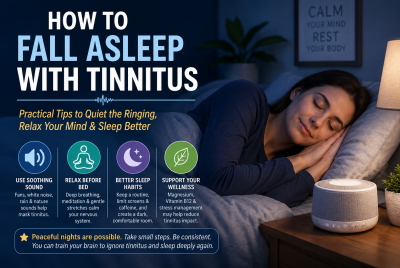
Using background sound at night
-
Establishing calming bedtime routines
Better sleep often leads to noticeable tinnitus improvement.
3. Use Sound Therapy Strategically
Low-level background sound can:
-
Reduce silence-induced tinnitus spikes
-
Retrain the brain to de-prioritize tinnitus
-
Lower emotional reactivity
White noise, nature sounds, or soft music are commonly helpful.
4. Address Anxiety And Stress Patterns
Cognitive Behavioral Therapy (CBT) is one of the most effective tools for tinnitus distress. It helps:
-
Break the stress-tinnitus feedback loop
-
Reduce fear associated with sound
-
Improve coping and emotional resilience
🌟 Can Stress-Related Tinnitus Go Away?
Yes. Many cases of stress-related tinnitus improve significantly or resolve entirely once stress levels normalize and the nervous system recovers.
Recovery time may range from:
-
Days or weeks for acute stress
-
Several months for chronic stress
Consistency matters more than speed.
💥 Can Stress-Induced Tinnitus Be Permanent?
Stress-related tinnitus is rarely permanent on its own. Persistent cases usually involve:
-
Prolonged anxiety
-
Chronic nervous system dysregulation
-
Coexisting hearing loss or noise exposure
Addressing stress early greatly improves outcomes.
🧑 Can You Live A Normal Life With Tinnitus?
Yes. Tinnitus does not reduce life expectancy. With proper management, most people:
-
Regain emotional stability
-
Reduce sound awareness
-
Sleep better
-
Return to normal daily activities
The brain can adapt remarkably well once stress and fear are reduced.
⚕️ When To Seek Medical Help
Consult a healthcare professional if tinnitus:
-
Appears suddenly without stress
-
Affects only one ear persistently
-
Includes hearing loss or dizziness
-
Is pulsatile and constant
-
Worsens rapidly
Medical evaluation ensures serious causes are ruled out.
❓ FAQs About Can Stress Cause Tinnitus?
Can stress alone cause tinnitus?
Stress alone can trigger tinnitus in susceptible individuals, especially when combined with anxiety or nervous system overload.
How long does stress tinnitus last?
Duration varies. Many people see improvement within weeks to months after reducing stress.
Does lowering cortisol help tinnitus?
Yes. Reducing stress hormones often decreases tinnitus intensity and awareness.
Is stress tinnitus different from hearing-loss tinnitus?
Yes. Stress-related tinnitus tends to fluctuate and improve with relaxation.
Can Stress Cause Tinnitus Even Without Hearing Loss?
Yes. Stress can trigger tinnitus even when hearing tests are normal. In these cases, tinnitus is often linked to nervous system overstimulation, elevated cortisol levels, or heightened brain awareness of internal sounds rather than damage to the ears themselves.
Why Does Tinnitus Get Louder During Stressful Moments?
Tinnitus often becomes louder during stress because the brain enters a heightened alert state. Stress increases focus on internal sensations, reduces sound filtering, and amplifies perception of tinnitus, even if the actual sound signal has not changed.
Does Managing Stress Reduce Tinnitus Long-Term?
Yes. Consistently managing stress can reduce tinnitus severity over time. Calming the nervous system helps the brain stop treating tinnitus as a threat, which often leads to lower volume, fewer spikes, and improved emotional tolerance.
📌 Can Stress Cause Tinnitus? Final Thoughts
Stress can absolutely cause tinnitus or make existing symptoms significantly worse. By overstimulating the nervous system, altering brain processing, and increasing sound awareness, stress creates a powerful tinnitus trigger.
The encouraging news is that stress-related tinnitus is highly manageable. With nervous system calming, anxiety reduction, better sleep, and consistent coping strategies, many people experience substantial relief — and in some cases, complete resolution.
⚠️ Medical Disclaimer
This article is for informational purposes only and does not replace professional medical advice. Always consult a qualified healthcare provider for diagnosis and treatment of tinnitus or related conditions.
 Explore more: