Can Headaches Cause Tinnitus? The Surprising Link Explained
🧠 When Head Pain and Ear Ringing Happen Together
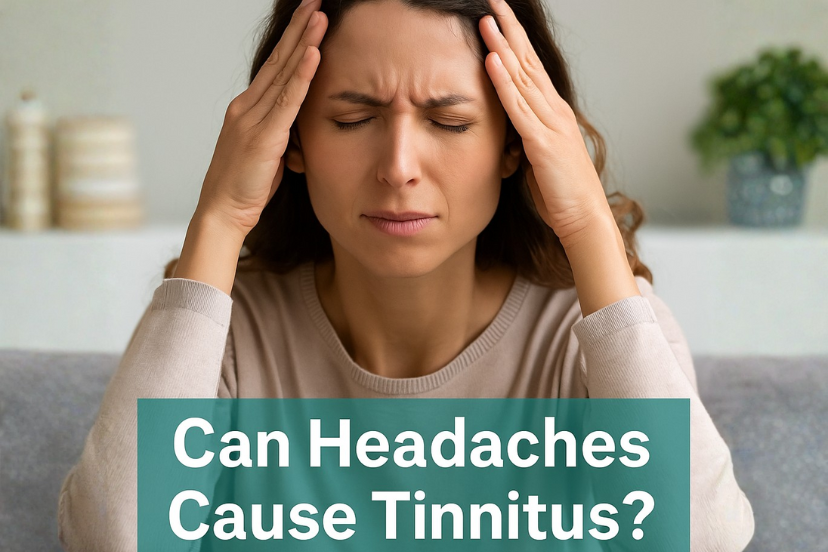
If you suffer from frequent headaches and also experience tinnitus, you may have noticed a frustrating pattern: when the headache begins, the ringing in your ears often gets louder. For many people, this connection feels more than coincidental.
This leads to a common and important question:
Can headaches cause tinnitus?
The answer is yes—headaches can absolutely trigger or worsen tinnitus, especially when nerve irritation, muscle tension, blood vessel changes, and sensory overload are involved.
In this comprehensive guide, you’ll discover:
-
How different types of headaches influence tinnitus
-
The nerve and blood flow connections between the head and ears
-
Why tension headaches and migraines are major tinnitus triggers
-
Signs your tinnitus is headache-related
-
Natural strategies for relief
-
When a medical evaluation is needed
-
7 helpful FAQs
-
A medical disclaimer
Let’s break down the surprising and very real connection between headaches and tinnitus.

🔊 How the Head and Ears Are Biologically Connected
The ears are not isolated sensory organs. They share close anatomical and neurological relationships with the:
-
Brain
-
Neck
-
Jaw
-
Blood vessels
-
Facial and cervical nerves
Because of this, any condition that affects the head—especially headaches—can influence how the brain perceives sound.
Key shared pathways include:
-
The trigeminal nerve (face and head sensation)
-
The cervical nerves (neck and shoulders)
-
The auditory nerve (hearing signals)
-
Blood vessels supplying the inner ear
-
Muscles surrounding the skull, jaw, and neck
When headaches activate or irritate these systems, tinnitus often follows.
⭐ 1. Tension Headaches Can Directly Trigger Tinnitus
Tension headaches are the most common type of headache and one of the strongest headache-tinnitus links.
They are caused by tight muscles in the:
-
Forehead
-
Temples
-
Jaw
-
Neck
-
Shoulders
-
Upper back
When these muscles tighten, they can:
-
Compress nearby nerves
-
Restrict blood flow to the ears
-
Increase pressure around the auditory system
-
Trigger somatic tinnitus
This often causes:
-
Ringing that worsens with stress
-
Buzzing that changes with head movement
-
Ear pressure
-
Clicking or pulsing sensations
If your tinnitus worsens during stressful days or after long hours at the computer, tension headaches are a likely contributor.
⭐ 2. Migraines Are Strongly Linked to Tinnitus
Migraines are neurological events that affect:
-
Blood vessel function
-
Nerve signaling
-
Sensory processing
-
Inflammation
-
Stress hormones
During a migraine, people often experience:
-
Sound sensitivity
-
Light sensitivity
-
Dizziness
-
Ear fullness
-
Ringing in the ears
Migraines can trigger tinnitus through:
-
Blood flow changes in the inner ear
-
Auditory nerve sensitivity
-
Trigeminal nerve activation
-
Neck and jaw muscle tension
Many people report their tinnitus:
-
Starts during a migraine
-
Becomes louder during migraine attacks
-
Fades once the migraine resolves
This type of tinnitus is usually temporary but highly distressing while active.
⭐ 3. Headaches Affect Blood Flow to the Inner Ear
Headaches—especially migraines—alter blood vessel behavior in the head and neck.
These changes can:
-
Increase pressure in ear-related vessels
-
Cause pulsatile tinnitus (heartbeat-like sounds)
-
Reduce oxygen delivery to ear cells
-
Increase nerve sensitivity
Even small fluctuations in blood flow can change how loudly tinnitus is perceived.
People with:
-
High blood pressure
-
Vascular headaches
-
Migraine with aura
…are especially prone to blood-flow-related tinnitus spikes.
⭐ 4. Headaches Increase Nervous System Sensitivity
During headaches, the nervous system shifts into a state of heightened alertness.
This makes the brain:
-
More sensitive to sound
-
Less able to filter background noises
-
More reactive to internal body signals
-
More focused on discomfort
As a result, tinnitus that may normally be subtle suddenly feels:
-
Louder
-
Sharper
-
More intrusive
-
Harder to ignore
This doesn’t always mean the tinnitus sound itself has changed—just your brain’s perception of it.
⭐ 5. Headaches Tighten the Neck and Jaw—A Major Tinnitus Trigger
Many headaches come with secondary muscle tension in the:
-
Neck
-
Jaw
-
Temples
-
Upper shoulders
This tension can lead to:
-
TMJ dysfunction
-
Cervical nerve irritation
-
Ear pressure
-
Somatic tinnitus
If your tinnitus changes when you:
-
Clench your jaw
-
Turn your neck
-
Stretch your shoulders
-
Press on tight areas
…it strongly suggests a headache-tension origin.
⭐ 6. Sinus Headaches Can Cause Temporary Tinnitus
Sinus pressure affects the:
-
Eustachian tubes
-
Middle ear pressure
-
Nasal passages
-
Facial nerves
When sinuses are congested or inflamed, this may cause:
-
Ear fullness
-
Muffled hearing
-
Temporary ringing
-
Clicking sounds
Once congestion clears, tinnitus often improves.
📌 Signs Your Tinnitus Is Headache-Related
Your tinnitus is likely linked to headaches if:
-
Ringing appears during or right after a headache
-
Tinnitus worsens with stress
-
You feel neck, jaw, or shoulder tightness
-
Tinnitus changes with movement or posture
-
You experience light or sound sensitivity
-
Your tinnitus fades as the headache resolves
-
You also suffer from migraines or tension headaches
These are strong indicators of headache-driven or somatic tinnitus.
💆 Natural Ways to Reduce Headache-Related Tinnitus
Addressing the headache often reduces the tinnitus automatically.
✔ 1. Relax Neck, Shoulder, and Jaw Muscles Daily
-
Shoulder rolls
-
Jaw relaxation exercises
-
Heat therapy on tight muscles
-
Massage or trigger-point release
Muscle relaxation often leads to fast tinnitus improvement.
✔ 2. Correct Posture
-
Keep screens at eye level
-
Avoid forward-head posture
-
Support the lower back
-
Take posture breaks every 30–45 minutes
Postural correction reduces headache and tinnitus triggers.
✔ 3. Support Healthy Blood Flow
-
Stay well hydrated
-
Avoid skipping meals
-
Limit heavy caffeine spikes
-
Use gentle movement
-
Warm compress on the neck
Improved circulation protects both the head and ears.
✔ 4. Reduce Stress, the Common Trigger
-
Deep breathing
-
Meditation
-
Progressive muscle relaxation
-
Slow walking
-
Relaxation teas (lemon balm, chamomile, peppermint)
When stress drops, both headaches and tinnitus usually ease.
✔ 5. Improve Sleep Quality
Sleep deprivation worsens both conditions.
-
Set a consistent bedtime
-
Avoid screens before bed
-
Use sound masking
-
Dark, cool sleeping environment
Better sleep weakens the headache-tinnitus cycle.
✔ 6. Track and Avoid Triggers
Common shared triggers include:
-
Dehydration
-
Bright screens
-
Skipped meals
-
Hormonal shifts
-
Loud noise exposure
-
Weather changes
A simple symptom log can reveal patterns.
✔ 7. Use Sound Therapy During Headache Flare-Ups
-
White noise
-
Brown noise
-
Rain or ocean sounds
-
Low-volume ambient music
Sound masking reduces nervous-system overload.
🧘 Daily Routine for Headache-Tinnitus Relief
Morning
-
Hydration
-
Gentle stretching
-
Posture check
Midday
-
Breaks from screens
-
Neck rolls
-
Stress check-in
Evening
-
Heat therapy
-
Relaxation tea
-
Gentle jaw stretching
Bedtime
-
Sound masking
-
Low light
-
Consistent sleep schedule
Consistency is what leads to lasting improvement.
❗ When to See a Doctor
Seek medical evaluation if you have:
-
Sudden severe tinnitus
-
One-sided ringing or hearing loss
-
Pulsatile tinnitus matches your heartbeat
-
Headaches with vision changes
-
Dizziness or balance loss
-
Headaches that are worsening over time
-
Jaw locking or severe TMJ pain
Specialists who may help include:
-
Neurologists
-
Audiologists
-
Physical therapists
-
TMJ dentists
📌 FAQs About Headaches and Tinnitus
1. Can headaches really cause tinnitus?
Yes. Headaches affect nerves, muscles, blood flow, and sensory processing—all of which can trigger tinnitus.
2. Is headache-related tinnitus permanent?
Usually not. Once headaches and muscle tension are controlled, tinnitus often improves significantly.
3. Why does my tinnitus get louder during a headache?
Because the nervous system becomes hypersensitive and less able to filter sound.
4. Can migraine medication reduce tinnitus?
Sometimes. By reducing migraine frequency, tinnitus triggers may also decrease.
5. Can tension headaches cause ear ringing?
Absolutely. Muscle tension around the head and neck is one of the most common somatic tinnitus triggers.
6. Does dehydration worsen both headaches and tinnitus?
Yes. Dehydration affects blood flow and nerve signaling and can trigger both symptoms.
7. Will treating my headaches help my tinnitus?
In many cases, yes. Headache control is often the key to tinnitus improvement.
🏁 Conclusion: Yes—Headaches Can Cause or Worsen Tinnitus
Headaches and tinnitus are deeply connected through:
-
Nerve irritation
-
Muscle tension
-
Blood-flow changes
-
Sensory overload
-
Stress responses
Whether the headache is caused by tension, migraines, sinus pressure, or posture, the result is often the same—a spike in ear ringing.
The encouraging news is that headache-related tinnitus is one of the most treatable forms. With consistent attention to muscle relaxation, posture, stress reduction, hydration, sleep, and trigger management, many people experience meaningful improvement.
Understanding the headache-tinnitus link is the first step toward regaining control.
⚠️ Medical Disclaimer
This article is for informational purposes only and does not constitute medical advice. Headaches and tinnitus can have many causes and should be evaluated by a qualified healthcare professional. Always consult your doctor, neurologist, or audiologist before starting any new treatment plan.
 Explore more: