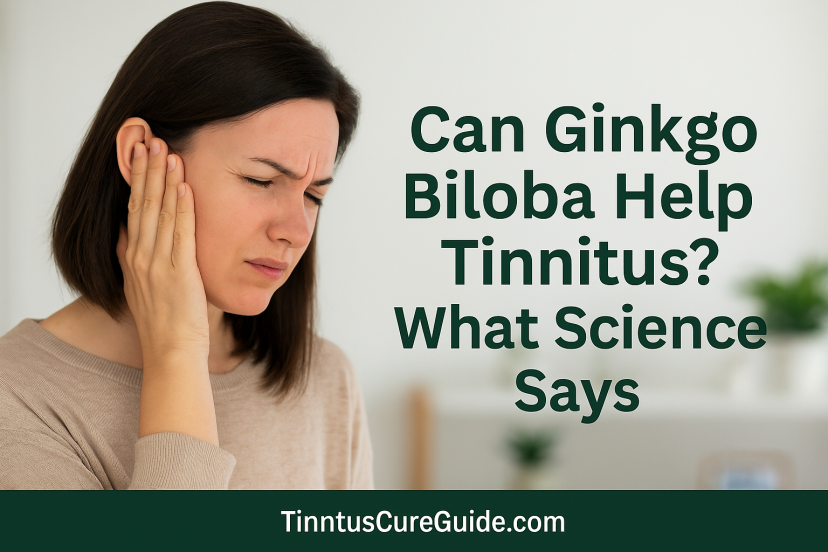
Can Ginkgo Biloba Help Tinnitus? What Science Says
🔊 The Constant Ring: Searching for Natural Relief
If you live with tinnitus — that constant ringing, buzzing, or whooshing in your ears — you know how draining it can be. Sleep becomes difficult, focus fades, and peace of mind can feel out of reach.
Many people turn to natural remedies for relief, hoping for something gentle yet effective. One of the most popular herbal supplements mentioned in tinnitus discussions is ginkgo biloba — a centuries-old extract believed to improve circulation and brain health.
But can it really help quiet the ringing? Let’s take a closer look at what the research says about ginkgo biloba and tinnitus, and whether it deserves a spot in your wellness plan.
🌿 What Is Ginkgo Biloba?
Ginkgo biloba comes from the leaves of one of the world’s oldest trees — the Ginkgo tree, native to China. Used for thousands of years in traditional medicine, ginkgo is prized for its ability to:
✅ Improve blood circulation, especially to the brain and inner ear
✅ Provide antioxidant protection for cells and nerves
✅ Support memory, focus, and cognitive function
Its active compounds — flavonoids and terpenoids — help widen blood vessels and reduce oxidative stress, both of which may benefit inner ear health.

That’s why many researchers have explored ginkgo’s role in tinnitus treatment, especially when the condition is linked to poor blood flow or nerve dysfunction.
💡 The Circulation–Tinnitus Connection
Your inner ear depends on a steady supply of oxygen-rich blood. If circulation slows — due to age, cardiovascular issues, or inflammation — the auditory cells that detect sound may become damaged or “misfire,” leading to tinnitus.
This is where ginkgo biloba comes in. Its circulation-boosting and antioxidant effects may:
-
Enhance blood flow to the cochlea (inner ear)
-
Reduce inflammation in auditory pathways
-
Protect against oxidative damage to hearing cells
Several small studies have suggested that ginkgo might reduce tinnitus loudness or improve coping, especially when poor circulation plays a role.
🔬 What the Science Says About Ginkgo Biloba for Tinnitus
The research on ginkgo biloba and tinnitus is mixed — some studies show promise, while others find little difference compared to a placebo. Let’s explore the evidence clearly and fairly.
📘 1. Positive Findings
A 2019 study published in the International Journal of Clinical Practice found that Ginkgo biloba extract (EGb 761) improved tinnitus perception and quality of life in participants after 12 weeks. The effect was stronger in those with circulatory or age-related tinnitus.
Other clinical trials note that ginkgo may help when:
-
Tinnitus is linked to vascular issues or poor circulation
-
Used for at least 8–12 weeks consistently
-
Taken at therapeutic doses (120–240 mg per day)
These results suggest that while ginkgo isn’t a cure, it may enhance blood flow and oxygen delivery to the inner ear, helping some people experience partial relief.
📕 2. Studies Showing No Benefit
On the other hand, several large-scale reviews — including a Cochrane meta-analysis — found no consistent evidence that ginkgo works better than placebo for tinnitus of unknown cause.
Experts believe the mixed results stem from differences in:
-
Dosage and extract type (standardized vs. non-standardized)
-
Duration of treatment
-
Type of tinnitus (circulatory vs. noise-induced or neurological)
The takeaway? Ginkgo may help specific subtypes of tinnitus, particularly when linked to vascular or metabolic factors, but it’s not universally effective.
🌿 How Ginkgo Biloba Works in the Body
1️⃣ Boosts Circulation
By widening blood vessels and reducing clotting, ginkgo improves microcirculation in the inner ear and brain, enhancing nutrient and oxygen delivery to auditory cells.

2️⃣ Reduces Oxidative Stress
The ear is highly sensitive to free radicals. Ginkgo’s flavonoid antioxidants neutralize these molecules, potentially protecting hair cells in the cochlea from damage.
3️⃣ Supports Nerve Function
Improved blood flow to the auditory nerve may help regulate electrical signaling — reducing abnormal “noise” perception in the brain.
4️⃣ Lowers Inflammation
Inflammation in the auditory system can worsen tinnitus. Ginkgo’s anti-inflammatory effects may help calm the inner ear environment.
🧘♀️ How to Use Ginkgo Biloba for Tinnitus
If you’re considering ginkgo biloba as a natural tinnitus aid, follow these best practices:
✅ Choose a Standardized Extract
Look for EGb 761 — the most studied and clinically tested form of ginkgo biloba.
💊 Recommended Dosage
-
120–240 mg daily, divided into 2–3 doses
-
Take consistently for 8–12 weeks before judging results
⚠️ Safety Tips
-
Avoid combining ginkgo with blood thinners (warfarin, aspirin) due to increased bleeding risk.
-
Stop use at least 2 weeks before surgery.
-
Always consult your doctor if you take prescription medications.
🩸 Complementary Supplements and Lifestyle Support
Because tinnitus rarely has a single cause, combining ginkgo with other wellness strategies may improve results.
🌿 Helpful Supplements for Circulation & Nerve Health
-
Magnesium – supports blood vessel relaxation and hearing protection
-
Zinc – may reduce tinnitus linked to deficiency
-
Vitamin B12 – supports nerve health and hearing clarity
-
CoQ10 – enhances energy production in hearing cells
💆♂️ Stress Management
Tinnitus worsens under stress. Try:
-
Mindful breathing or meditation apps (Calm, Insight Timer)
-
Gentle yoga or stretching
🔊 Sound Therapy
Masking devices or white noise apps help distract from ringing. Try:
-
ReSound Relief
-
myNoise
-
Tinnitus HQ
Combining these approaches can make a meaningful difference — even if ginkgo alone doesn’t eliminate the noise.
🇺🇸 U.S. Product Options
For readers in the U.S., ginkgo biloba is widely available in supplement aisles and online. Look for reputable brands such as:
-
Nature’s Bounty Ginkgo Biloba (120 mg)
-
NOW Foods Ginkgo Biloba Extract (120 mg EGb 761)
-
Thorne Memoractiv (Ginkgo + Bacopa + Theobromine blend)
Always buy from verified sources to avoid contaminated or low-potency supplements.
⚕️ When to See a Doctor or Audiologist
While herbal remedies can support wellness, it’s important to get a medical evaluation if you notice:
-
Tinnitus in only one ear
-
Pulsating or rhythmic tinnitus (matches your heartbeat)
-
Sudden hearing loss or ear fullness
-
Dizziness, vertigo, or balance issues
-
Ear pain or drainage
An ENT (ear, nose, and throat specialist) or audiologist can perform hearing tests, evaluate circulation, and rule out underlying causes like ear infections, high blood pressure, or vascular issues.
If your tinnitus stems from circulatory factors, your doctor might recommend a plan that includes both medical treatment and herbal support, such as ginkgo biloba.
❓ FAQs About Ginkgo Biloba and Tinnitus
1️⃣ Does ginkgo biloba really help tinnitus?
Research is mixed. Some people notice improvement, especially when tinnitus is caused by poor circulation or oxidative stress, while others see no change.
2️⃣ How long should I take ginkgo biloba before noticing results?
It may take 8–12 weeks of consistent use to notice benefits. Patience and regularity are key.
3️⃣ Can I take ginkgo biloba with my tinnitus medication?
Consult your doctor first. Ginkgo may interact with anticoagulants, antidepressants, or anti-inflammatory drugs.
4️⃣ Are there side effects?
Ginkgo is generally safe, but side effects can include mild headaches, nausea, or digestive upset. Stop use if you notice bruising or bleeding.
5️⃣ What type of tinnitus responds best to ginkgo?
People with circulatory-related or age-associated tinnitus tend to report more improvement than those with tinnitus caused by ear injury or medication.
6️⃣ Can I combine ginkgo biloba with magnesium or B12?
Yes — in fact, these nutrients complement each other for nerve and circulation support. Just ensure your total supplement load is safe and doctor-approved.
7️⃣ Does ginkgo biloba help with hearing loss too?
Some studies suggest improved hearing in age-related cases due to better inner-ear blood flow, but results vary by individual.
🌈 Final Takeaway: A Natural Ally, Not a Magic Cure
While ginkgo biloba isn’t a guaranteed tinnitus cure, it remains one of the most researched and promising herbal supplements for improving circulation and protecting ear health.
If your tinnitus is related to poor blood flow, aging, or oxidative stress, this ancient plant may help you experience subtle but meaningful relief — especially when combined with stress reduction, sound therapy, and a balanced lifestyle.
The key is consistency and patience. Support your body, stay calm, and focus on daily self-care. Over time, even small improvements can bring back a sense of quiet and control.
⚕️ Medical Disclaimer
This article is for informational purposes only and does not constitute medical advice. Always consult your healthcare provider before starting any supplement or treatment for tinnitus or related conditions.
 Explore more:
- Exercise and Tinnitus: Can Movement Help Reduce Ringing?
- Tinnitus Panic Attacks
- Somatic Tinnitus Explained