Can Anxiety Cause Tinnitus? Understanding The Link Between Anxiety And Ringing In The Ears

🔍 Can Anxiety Cause Tinnitus? (Quick Answer)
Yes — anxiety can trigger tinnitus or make existing tinnitus noticeably worse.
Anxiety activates the fight-or-flight response, increases stress hormones like cortisol, and heightens the brain’s focus on internal sensations. This can make ringing, buzzing, or hissing feel louder and harder to ignore.
In many cases, anxiety-related tinnitus improves when anxiety is treated, and the nervous system calms down.
🧠 Why Anxiety And Tinnitus Often Show Up Together
Tinnitus is not just an “ear problem.” It is strongly influenced by how the brain processes sound and how the nervous system reacts to threat, stress, and uncertainty.
Anxiety and tinnitus often create a feedback loop:
-
Anxiety Increases Body Alertness
-
Alertness Increases Tinnitus Awareness
-
Tinnitus Triggers More Worry
-
Worry Increases Anxiety Again
Breaking this loop is one of the most effective ways to reduce tinnitus distress.
🎧 What Is Tinnitus?
Tinnitus is the perception of sound without an external source. It can sound like:
-
Ringing
-
Buzzing
-
Hissing
-
Humming
-
Clicking
-
Pulsing In Sync With A Heartbeat
Tinnitus may be:
-
Temporary Or Chronic
-
Constant Or Fluctuating
-
In One Ear Or Both
Tinnitus severity often depends on brain attention, emotional response, and nervous system activation, not only on what is happening inside the ear.
😰 Can Mental Stress Cause Tinnitus?
Yes. Mental stress can trigger tinnitus spikes and make existing tinnitus more intrusive.
When stress levels rise, the body may respond with:
-
Increased Cortisol And Adrenaline
-
Muscle Tension In The Jaw And Neck
-
Changes In Blood Flow
-
Heightened Sound Sensitivity
Stress can also reduce sleep quality, and poor sleep is a common factor in louder tinnitus.
🔊 Can Anxiety Cause Ringing In The Ears?
Yes. Anxiety can cause ringing in the ears because it increases sensory “gain” in the brain. In simple terms, the brain becomes more alert and more sensitive to internal signals.
Anxiety may worsen tinnitus by:
-
Increasing Hypervigilance To Sound
-
Raising Baseline Stress Hormones
-
Making Silence Feel Uncomfortable
-
Amplifying Fear And Focus On Tinnitus
This does not mean tinnitus is “imagined.” It means the brain’s alarm system is turned up.
🧬 How Anxiety Can Affect The Auditory System
🧠 Fight-Or-Flight Activation
When the nervous system senses danger, it prioritizes survival. This state can:
-
Increase Sound Awareness
-
Reduce Sound Filtering
-
Make Tinnitus Harder To Ignore
💓 Blood Flow And Muscle Tension Changes
Anxiety can contribute to:
-
Jaw Clenching Or Teeth Grinding
-
Neck And Shoulder Tightness
-
Blood Pressure Elevation
These factors can make tinnitus more noticeable and sometimes contribute to one-sided or somatic tinnitus patterns.
🎛️ What Does Anxiety Tinnitus Sound Like?
Anxiety-related tinnitus can sound like:

-
High-Pitched Ringing
-
Buzzing Or Electrical Humming
-
Hissing Or Static
-
Fluttering Or Clicking
-
Pulsing That Feels More Noticeable During Stress
It often becomes louder during:
-
Stressful Moments
-
Panic Symptoms
-
Sleep Deprivation
-
Quiet Environments
❓ Does Tinnitus Caused By Anxiety Go Away?
Often, yes. Anxiety-related tinnitus may improve when anxiety decreases and the nervous system stabilizes.
Many people notice improvement when they:
-
Reduce Stress Load
-
Improve Sleep
-
Treat Anxiety Consistently
-
Stop Monitoring Tinnitus Constantly
If tinnitus remains, distress and loudness usually become more manageable with the right plan.
🎧 Can Stress Cause Tinnitus In One Ear?
Yes, tinnitus can feel one-sided during stress or anxiety. However, persistent one-sided tinnitus should be evaluated to rule out medical causes.
Seek professional evaluation if tinnitus:
-
Affects Only One Ear Persistently
-
Comes With New Hearing Loss
-
Includes Dizziness Or Balance Issues
-
Appears Suddenly And Strongly
💗 Can Anxiety Cause Pulsatile Tinnitus?
Anxiety can make pulsatile tinnitus feel more noticeable by raising heart rate and blood pressure. While anxiety may not be the root cause, it can amplify perception.
Pulsatile tinnitus should be evaluated medically, especially if it is:
-
New
-
Constant
-
Only On One Side
-
Associated With Headaches Or Vision Changes
🧩 Can Tinnitus Be Psychosomatic?
Tinnitus can be strongly influenced by psychological factors, but that does not mean it is “not real.” The brain and body are connected, and stress can intensify sensory perception.
A more accurate way to describe it is:

-
Tinnitus Can Be Neurologically Real
-
Tinnitus Can Be Emotionally Amplified
-
Tinnitus Can Be Perceived More Strongly Under Stress
✅ How To Manage Anxiety-Related Tinnitus
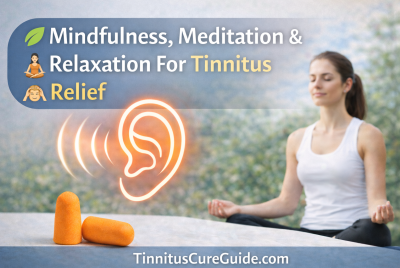
🧘 Mindfulness And Relaxation Techniques
Helpful methods include:
-
Deep Breathing Exercises
-
Progressive Muscle Relaxation
-
Guided Meditation
-
Gentle Yoga Or Stretching
These calm the nervous system and reduce tinnitus hypervigilance.
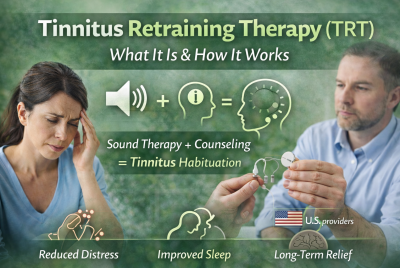
🧠 Cognitive Behavioral Therapy (CBT)
CBT is one of the most evidence-supported approaches for tinnitus distress. It can help:
-
Reduce Fear Response To Sound
-
Break The Anxiety-Tinnitus Loop
-
Improve Coping And Sleep
-
Reduce Catastrophic Thinking
🏃 Regular Exercise And Healthy Routines
Consistent movement supports nervous system regulation by:
-
Lowering Baseline Stress Levels
-
Improving Sleep Quality
-
Reducing Muscle Tension
-
Supporting Mood Stability
🔇 Sound Therapy For Anxiety And Tinnitus
Sound therapy helps reduce silence and retrain attention.
Common options include:
-
White Noise Or Pink Noise
-
Nature Sounds
-
Fans Or Soft Background Audio
-
Hearing Aids With Masking Programs
The goal is not to “cover tinnitus completely,” but to reduce contrast and emotional reactivity.
☕ Anxiety Triggers That Can Worsen Tinnitus
Common triggers include:
-
Caffeine And Energy Drinks
-
Nicotine
-
Alcohol Overuse
-
Poor Sleep
-
Excessive Silence
-
Constant Sound Checking
Reducing triggers often lowers both anxiety and tinnitus perception.
🌙 Sleep And Anxiety-Induced Tinnitus
Sleep problems worsen tinnitus distress and increase nervous system sensitivity.
Sleep-supportive habits include:
-
Consistent Sleep And Wake Times
-
A Dark, Cool Bedroom
-
No Screens Right Before Bed
-
Background Sound If Silence Triggers Tinnitus
-
A Wind-Down Routine With Relaxation
🩺 When To Seek Professional Help
Professional support can make a major difference if tinnitus or anxiety is affecting daily life.
Consider:
-
An Audiologist For Hearing And Tinnitus Evaluation
-
An ENT For Medical Causes
-
A Therapist For Anxiety And Panic Symptoms
-
A Combined Approach For Best Results
Seek urgent evaluation for sudden hearing loss, severe dizziness, or new pulsatile tinnitus.
❓ FAQs About Can Anxiety Cause Tinnitus
Can Tinnitus Cause Anxiety?
Yes. Tinnitus can trigger anxiety due to uncertainty, sleep disruption, and fear of worsening symptoms. This is common and treatable.
Is Anxiety-Related Tinnitus Permanent?
Not usually. Many cases improve when anxiety and nervous system activation are managed consistently.
Can Stress Management Techniques Help Tinnitus?
Yes. Stress reduction often lowers tinnitus awareness and distress by calming the nervous system.
Are There Medications Specifically For Tinnitus?
There is no universal tinnitus cure medication, but some treatments target anxiety, sleep, or depression, which can indirectly reduce tinnitus distress.
Can Hearing Aids Reduce Anxiety-Induced Tinnitus?
Yes. If hearing loss is present, hearing aids can reduce tinnitus perception by restoring ambient sound and offering masking features.
📝 Can Anxiety Cause Tinnitus? Final Thoughts
Yes — anxiety can trigger tinnitus and make existing tinnitus feel louder. The core driver is nervous system overactivation: when the brain is in a threat-focused state, it becomes more sensitive to internal sound.
The encouraging news is that anxiety-related tinnitus is often manageable. With stress reduction, sound therapy, improved sleep, and evidence-based support like CBT, many people experience meaningful relief and regain control of daily life.
⚕️ Medical Disclaimer
This article is for informational purposes only and does not replace professional medical advice. Always consult a licensed healthcare provider before starting new treatments, supplements, or exercise programs for tinnitus or related conditions.
 Explore more: