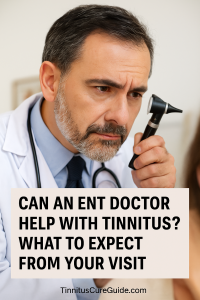
Can an ENT Doctor Help With Tinnitus? What to Expect From Your Visit

🧠 Should You See an ENT Doctor for Tinnitus?
If you struggle with constant ringing, buzzing, hissing, or clicking in your ears, you’ve probably asked yourself the same important question:
Can an ENT doctor help with tinnitus?
For many people, tinnitus feels confusing and overwhelming. Some are told there is “no cure,” while others are given sound machines, medications, or lifestyle advice with mixed results. Knowing when — and why — to see a specialist can feel unclear.
An ENT doctor (Ear, Nose, and Throat specialist), also called an otolaryngologist, is often the first and most important medical professional to evaluate tinnitus properly. While an ENT may not “cure” tinnitus in every case, they can:
-
Identify medical causes
-
Rule out serious conditions
-
Guide treatment options
-
Refer you to specialists
-
Create a personalized management plan
In this complete guide, you’ll learn:
-
What an ENT doctor actually does for tinnitus
-
What happens during your first visit
-
The tests an ENT uses
-
What conditions they can diagnose
-
Medical and non-medical treatment options
-
When an ENT visit is urgent
-
7 helpful FAQs
-
A medical disclaimer
Let’s explore what really happens when you see an ENT for tinnitus.
👨⚕️ What Is an ENT Doctor and Why They Matter for Tinnitus
An ENT doctor specializes in disorders of the:
-
Ear
-
Nose
-
Throat
-
Sinuses
-
Upper neck
Because tinnitus most often originates in the auditory system, the ENT is the logical medical starting point.
An ENT doctor helps tinnitus patients by:
-
Examining the ear for physical problems
-
Testing hearing function
-
Analyzing inner ear balance
-
Identifying nerve-related causes
-
Ruling out tumors, infections, or vascular issues
-
Coordinating care with audiologists and neurologists
Think of the ENT as the medical detective for your tinnitus.
✅ Can an ENT Doctor Help With Tinnitus? The Honest Answer
Yes — an ENT doctor can absolutely help with tinnitus, but what “help” looks like depends on the cause.
An ENT can:
-
✔ Diagnose underlying conditions
-
✔ Treat infections, fluid, or wax blockages
-
✔ Identify hearing loss
-
✔ Detect balance disorders
-
✔ Diagnose Ménière’s disease
-
✔ Identify TMJ-related ear pressure
-
✔ Evaluate sudden hearing loss
-
✔ Rule out tumors and vascular causes
-
✔ Refer you for therapy or sound treatment
-
✔ Build a long-term treatment plan
What an ENT cannot always do is provide a one-time pill that permanently stops tinnitus. But they can clarify your diagnosis and guide the next steps correctly, which is critical.
📝 What to Expect at Your First ENT Visit for Tinnitus
If you’re nervous about your appointment, here’s exactly what typically happens.
✔ 1. Medical History and Symptom Review
Your ENT will ask detailed questions, including:
-
When the tinnitus started
-
Whether it is in one ear or both
-
If it is constant or intermittent
-
If it pulses with your heartbeat
-
Exposure to loud noise
-
History of ear infections
-
Head or neck injuries
-
Jaw pain or clenching
-
Dizziness or vertigo
-
Headaches or migraines
-
Medications and supplements
-
Stress and sleep patterns
These details guide which tests are most important.
✔ 2. Physical Ear Examination
The ENT will examine:
-
Ear canal
-
Eardrum
-
Signs of infection
-
Fluid behind the eardrum
-
Inflammation
-
Perforations
-
Structural abnormalities
Sometimes tinnitus is caused simply by:

-
Wax impaction
-
Middle ear fluid
-
Ear infections
These often improve quickly with treatment.
✔ 3. Hearing Test (Audiogram)
Nearly all tinnitus patients receive a professional hearing test.
This measures:
-
High-frequency hearing
-
Low-frequency hearing
-
Speech recognition
-
Sound tolerance
Even mild hearing loss can trigger tinnitus.
✔ 4. Balance Testing (If Dizziness Is Present)
If you also have dizziness or vertigo, the ENT may order:
-
Vestibular testing
-
Inner ear balance exams
-
Eye-movement tests
-
Motion sensitivity tests
This helps detect inner ear balance disorders that commonly cause tinnitus.
✔ 5. Imaging Tests (If Needed)
If your tinnitus is:
-
One-sided
-
Pulsatile
-
Sudden
-
Associated with neurological symptoms
The ENT may order:
-
MRI scan
-
CT scan
-
Blood vessel imaging
These tests help rule out tumors, vascular abnormalities, or nerve compression.
🔍 What Conditions Can an ENT Diagnose That Cause Tinnitus?
An ENT is trained to diagnose many medical causes of tinnitus, including:
-
Ear infections
-
Middle ear fluid
-
Eustachian tube dysfunction
-
Sudden sensorineural hearing loss
-
Noise-induced hearing loss
-
Ménière’s disease
-
Vestibular neuritis
-
Otosclerosis
-
TMJ-related ear dysfunction
-
Acoustic neuroma (rare)
-
Vascular tinnitus
-
Sinus-related ear pressure
-
Drug-induced ototoxicity
Identifying the cause is the most important step in managing tinnitus correctly.
💊 What Treatments Can an ENT Provide for Tinnitus?
ENT treatment depends entirely on the diagnosis.
✔ 1. Medical Treatment of Underlying Conditions
If tinnitus is caused by:
-
Infection
-
Inflammation
-
Fluid
-
Sudden hearing loss
The ENT may prescribe:
-
Antibiotics
-
Steroids
-
Anti-inflammatory medications
-
Decongestants
-
Ear drops
In many cases, tinnitus improves once the medical issue resolves.
✔ 2. Hearing Aids (If Hearing Loss Is Present)
Loss of hearing is one of the most common triggers of tinnitus.
Hearing aids:
-
Restore normal sound input
-
Reduce the brain’s need to “create” phantom noise
-
Mask tinnitus naturally
-
Improve speech understanding
-
Reduce mental fatigue
Many people experience major tinnitus relief with properly fitted hearing aids.
✔ 3. Sound Therapy and Masking Devices
ENTs often recommend:
-
White noise generators
-
Ear-level masking devices
-
Bedside sound machines
-
Customized sound therapy apps
Sound therapy retrains the brain to ignore tinnitus over time.
✔ 4. Steroid Therapy for Sudden Tinnitus
If tinnitus begins suddenly with hearing loss, early steroid treatment can:
-
Reduce auditory nerve inflammation
-
Improve hearing recovery
-
Prevent permanent tinnitus
-
Limit inner ear damage
This is one reason early ENT evaluation is critical.
✔ 5. Referral to Specialized Therapy
ENTs commonly refer patients to:
-
Audiologists (for tinnitus retraining therapy)
-
Physical therapists (for neck and jaw-related tinnitus)
-
TMJ dentists
-
Neurologists
-
Vestibular therapists
-
Psychologists for CBT therapy
Tinnitus often requires a team-based approach.
🧠 When Should You See an ENT Immediately for Tinnitus?
Urgent ENT evaluation is necessary if you experience:
-
Sudden hearing loss
-
One-sided tinnitus
-
Pulsatile tinnitus matches your heartbeat
-
Tinnitus with dizziness or vertigo
-
Facial weakness
-
Numbness
-
Severe headaches
-
Vision loss
-
New neurological symptoms
These may indicate serious conditions that require immediate medical attention.
🕰️ When an ENT Visit Is Still Important (Even If Not Urgent)
You should still schedule an ENT appointment if:
-
Tinnitus lasts longer than 2–3 weeks
-
Tinnitus affects sleep
-
Tinnitus increases anxiety
-
You have trouble concentrating
-
You also experience ear pressure or fullness
-
You suspect hearing loss
-
Tinnitus worsens over time
Even non-urgent tinnitus deserves proper evaluation.
🧘 What an ENT Usually Will NOT Do
It’s important to set realistic expectations.
Most ENTs do not:
-
Claim to permanently “cure” tinnitus
-
Prescribe miracle medications
-
Recommend unproven supplements
-
Offer surgery unless a structural cause exists
-
Promise instant silence
Instead, ENTs focus on:
-
Diagnosis
-
Risk reduction
-
Symptom management
-
Hearing protection
-
Long-term support
📌 How to Prepare for Your ENT Appointment
Before your visit:
-
Write down when tinnitus started
-
List medications and supplements
-
Note noise exposure history
-
Track dizziness or headaches
-
Record sleep problems
-
Note what makes tinnitus worse or better
This information improves diagnostic accuracy.
📌 FAQs About Can an ENT Doctor Help with Tinnitus?
1. Can an ENT doctor cure tinnitus?
In some cases, yes — especially when tinnitus is caused by infection, fluid, wax blockage, or sudden hearing loss. Chronic tinnitus usually requires long-term management.
2. Will I automatically need a hearing aid?
Not always. Hearing aids are recommended only when hearing loss contributes to tinnitus.
3. Can an ENT help one-sided tinnitus?
Yes. One-sided tinnitus always requires medical evaluation to rule out nerve or vascular causes.
4. How long does an ENT tinnitus evaluation take?
The first visit usually takes 30–60 minutes, including exam and hearing tests.
5. Can an ENT help stress-related tinnitus?
Yes. They may rule out physical causes and refer you for therapy that helps stress-driven tinnitus.
6. Will imaging always be ordered?
No. MRI or CT scans are ordered only when red-flag symptoms are present.
7. Does insurance usually cover ENT visits for tinnitus?
In most cases, yes — especially when tinnitus is linked to hearing loss or dizziness.
🏁 Conclusion: Yes — An ENT Doctor Can Help With Tinnitus
So, can an ENT doctor help with tinnitus?
✅ Yes — in many critical ways.
An ENT doctor can:
-
Identify the underlying cause
-
Rule out dangerous conditions
-
Treat medical ear problems
-
Diagnose hearing loss
-
Provide sound therapy options
-
Prescribe medications when appropriate
-
Coordinate specialized care
-
Create a long-term tinnitus management strategy
While not every case can be “cured,” proper ENT evaluation is one of the most important steps toward understanding and controlling tinnitus.
If tinnitus is affecting your sleep, focus, mood, or quality of life, your next best step is a professional evaluation.
⚠️ Medical Disclaimer
This article is for informational purposes only and does not constitute medical advice. Tinnitus can have multiple underlying causes that require professional diagnosis. Always consult a licensed ENT doctor, audiologist, or healthcare provider before starting any treatment plan.
 Explore more:
- Can High Sodium Cause Tinnitus?
- Can Ginkgo Biloba Help Tinnitus?
- Zinc and Tinnitus: Is There a Real Connection?