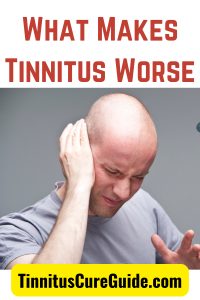
What Makes Tinnitus Worse? Triggers That Can Increase Ringing In The Ears
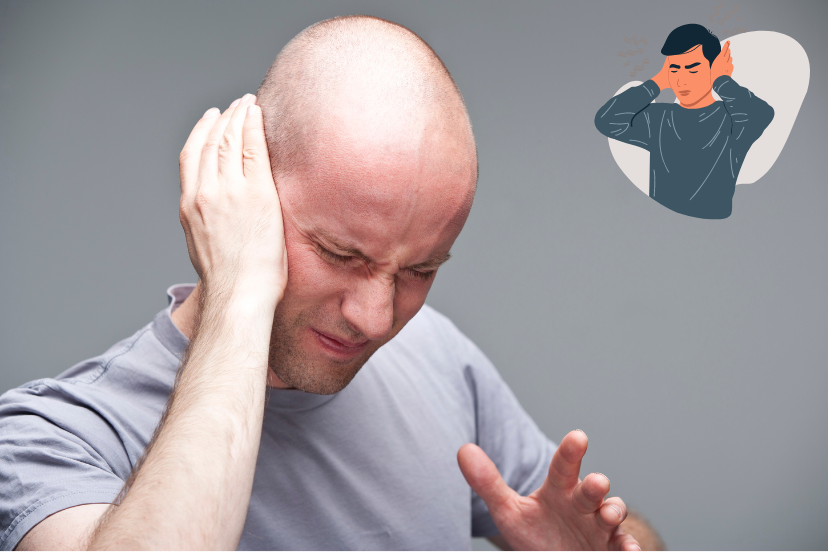
🔍 What Makes Tinnitus Worse? (Quick Answer)
Tinnitus often becomes worse due to specific triggers that overstimulate the auditory system or nervous system. Common factors include loud noise exposure, stress and anxiety, poor sleep, certain medications, dietary triggers, and underlying health conditions.
Identifying and managing these triggers can significantly reduce tinnitus intensity and distress.
🧠 Why Tinnitus Gets Worse At Certain Times
Tinnitus — commonly experienced as ringing, buzzing, hissing, or pulsating sounds — is not a disease itself but a symptom of auditory or neurological imbalance. While some people notice stable symptoms, many experience fluctuations that raise an important question: What makes tinnitus worse?
For most people, tinnitus intensifies when the brain becomes overstimulated, fatigued, or stressed. Understanding the factors that aggravate tinnitus is a crucial step toward regaining control and improving quality of life.
🎧 What Is Tinnitus?
Tinnitus is the perception of sound without an external source. It may be:
-
Constant or intermittent
-
Mild or intrusive
-
Present in one ear or both
-
Steady or changing in pitch
The severity of tinnitus is often influenced by brain processing, emotional response, and nervous system activity, not just ear damage alone.

🚨 Common Factors That Make Tinnitus Worse
🔊 Loud Noises And Noise Exposure
Exposure to loud sounds is one of the most well-established tinnitus triggers.
This includes:
-
Concerts or live events
-
Headphones at high volume
-
Power tools or machinery
-
Motorcycles or firearms
Even short-term exposure can worsen tinnitus temporarily, while repeated exposure can cause long-term aggravation.
😰 Stress And Anxiety
Stress is one of the most powerful tinnitus amplifiers.
When stressed:
-
The nervous system enters fight-or-flight mode
-
Brain alertness increases
-
Internal sounds become harder to ignore
Stress does not cause tinnitus damage, but it intensifies awareness and emotional reaction, making tinnitus feel louder.
🌙 Poor Sleep And Fatigue
Lack of quality sleep reduces the brain’s ability to filter sound.
Poor sleep can:
-
Lower tinnitus tolerance
-
Increase sound sensitivity
-
Make ringing feel more intrusive
Many people notice tinnitus spikes after nights of inadequate rest.
💊 Certain Medications And Medical Conditions
Some medications may worsen tinnitus, including:
-
High-dose NSAIDs
-
Certain antibiotics
-
Some antidepressants
-
Chemotherapy drugs
Medical conditions that may aggravate tinnitus include:
-
High blood pressure
-
TMJ disorders
-
Ear infections
-
Circulatory issues
Always consult a healthcare provider before changing medications.
🚬 Smoking And Alcohol Consumption
Nicotine and alcohol can:
-
Reduce blood flow to the inner ear
-
Increase inflammation
-
Disrupt nervous system balance
For some individuals, even small amounts can noticeably worsen tinnitus.
⚠️ Habits And Activities That Aggravate Tinnitus
🎶 Listening To Loud Music Or Headphones
Using headphones at high volume — especially for long periods — places direct strain on the auditory system and can increase tinnitus intensity.
🛠️ Ignoring Ear Protection In Noisy Environments
Failing to use earplugs or earmuffs during noisy activities significantly increases the risk of tinnitus spikes and progression.
😵 Chronic Stress Without Recovery
Engaging in high-stress activities without relaxation or recovery time keeps the nervous system overactivated, which fuels tinnitus perception.
😴 Poor Sleep Hygiene
Irregular sleep schedules, excessive screen use at night, and stimulant consumption before bed all contribute to worse tinnitus symptoms.
🛡️ How To Reduce Tinnitus Triggers
🔇 Reduce Noise Exposure
-
Lower volume levels
-
Take listening breaks
-
Use hearing protection
-
Avoid prolonged loud environments
🧘 Practice Stress Management
Effective options include:
-
Deep breathing exercises
-
Mindfulness meditation
-
Gentle exercise
-
Relaxation routines
Lower stress often leads to noticeable tinnitus relief.
🌙 Improve Sleep Quality
Helpful strategies:
-
Maintain consistent sleep times
-
Use background sound at night
-
Limit caffeine and screens before bed
-
Create a calming sleep environment
💊 Review Medications With A Professional
If tinnitus worsens after starting a medication, speak with your provider about alternatives or dosage adjustments.
🥗 Adopt A Healthy Lifestyle
A balanced lifestyle supports auditory and nervous system health:
-
Regular physical activity
-
Balanced nutrition
-
Adequate hydration
-
Weight and blood pressure management
🥦 What Foods Make Tinnitus Worse?
Certain foods may worsen tinnitus for some people, including:
-
Caffeine
-
Alcohol
-
High-sodium foods
-
Highly processed foods
-
Artificial additives such as MSG
Food sensitivity varies, so tracking symptoms can help identify personal triggers.
✅ What Makes Tinnitus Better?
Tinnitus often improves with:
-
Stress reduction
-
Quality sleep
-
Sound therapy
-
Ear protection
-
Anxiety management
-
Healthy routines
While there is no universal cure, consistent lifestyle adjustments can significantly reduce tinnitus impact.
🧩 How Do You Deal With Severe Tinnitus?
Managing severe tinnitus usually requires a combination of approaches:
-
Medical evaluation
-
Sound therapy or masking
-
Cognitive Behavioral Therapy (CBT)
-
Stress and anxiety treatment
-
Ongoing professional support
A personalized plan offers the best outcomes.
⏳ Can You Live A Long Life With Tinnitus?
Yes. Tinnitus is not life-threatening and does not reduce life expectancy. With proper management, many people live full, active, and fulfilling lives despite tinnitus.

❓ Frequently Asked Questions
😰 Can Stress Make Tinnitus Worse?
Yes. Stress increases nervous system alertness, making tinnitus more noticeable and distressing.
☕ Are There Foods Or Drinks I Should Avoid With Tinnitus?
Some people are sensitive to caffeine, alcohol, sodium, and processed foods. Identifying personal triggers is helpful.
🎧 Can Hearing Aids Help Tinnitus?
Yes. Hearing aids can reduce tinnitus awareness by restoring sound input and offering sound therapy features.
⏱️ How Long Does Tinnitus Last?
Tinnitus duration varies. It may be temporary or chronic, depending on the underlying cause and management strategies.
🧠 How Does CBT Help With Tinnitus?
CBT helps reduce distress by changing emotional responses and thought patterns related to tinnitus.
🩺 When Should I See A Specialist?
Seek professional help if tinnitus is persistent, worsening, one-sided, pulsatile, or affecting daily life.
📝 What Makes Tinnitus Worse? Final Thoughts
Tinnitus becomes worse when the auditory system or nervous system is overstimulated. Loud noise, stress, poor sleep, unhealthy habits, and certain medications are among the most common triggers.
The encouraging news is that many tinnitus aggravators are controllable. By identifying triggers and adopting protective, calming strategies, most people can significantly reduce tinnitus severity and regain a sense of normalcy.
⚕️ Medical Disclaimer
This article is for informational purposes only and does not replace professional medical advice. Always consult a qualified healthcare provider for diagnosis and treatment of tinnitus or related conditions.
 Explore more: