Sleep Quality Tinnitus Severity: How Better Sleep May Reduce the Perception of Ringing
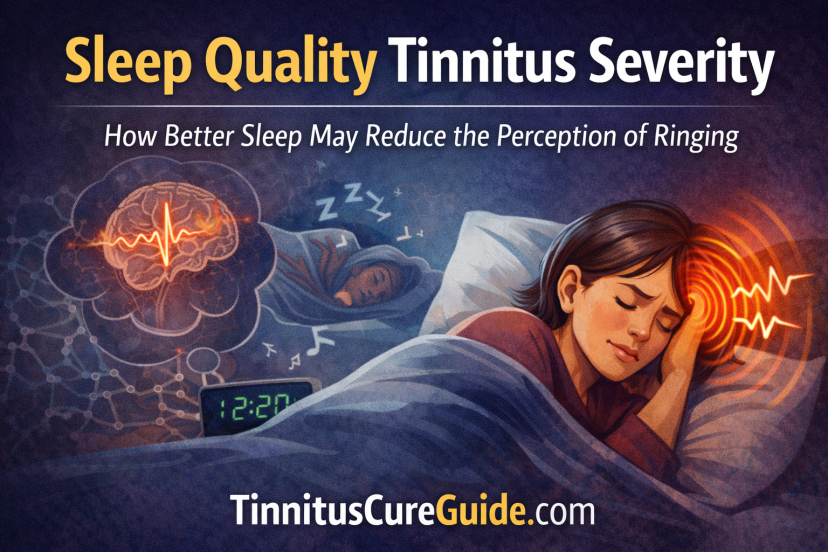
Many people living with tinnitus notice something frustrating: the worse they sleep, the louder the ringing seems the next day. This connection between sleep quality and tinnitus severity is widely reported and increasingly recognized by hearing and sleep specialists.
When sleep is disrupted, the brain becomes more sensitive to stress signals and sensory input. This heightened sensitivity may make tinnitus feel louder or more intrusive.
The relationship also works the other way around. Tinnitus can make it harder to fall asleep, especially in quiet environments, which may create a cycle of poor sleep and increased tinnitus awareness.
The encouraging news is that improving sleep habits and nighttime routines can sometimes reduce how strongly tinnitus is perceived. While better sleep may not eliminate the sound itself, many people find that good sleep helps the brain react less to tinnitus, making it easier to manage during the day.
Quick Answer
• Poor sleep can increase tinnitus sensitivity and awareness
• Tinnitus may also make falling asleep more difficult
• The relationship between sleep quality and tinnitus severity is bidirectional
• Stress hormones and brain alertness may amplify tinnitus perception
• Improving sleep habits may help reduce how intrusive tinnitus feels
Why Sleep Quality Can Affect Tinnitus Perception
To understand the connection between sleep quality tinnitus severity, it helps to consider how the brain processes sound and stress.

Tinnitus is not simply a problem in the ear. Research suggests it involves brain networks that regulate attention, emotion, and sensory processing.
When the brain is well-rested, it is generally better at filtering out background signals. This filtering ability helps us ignore many everyday sounds, like the hum of a refrigerator or distant traffic.
Sleep deprivation can weaken this filtering system.
When sleep quality declines, several changes occur in the body:
• Stress hormones may increase
• The brain becomes more reactive to sensory input
• Emotional regulation becomes more difficult
These changes can make internal sounds—such as tinnitus—feel more prominent.
A helpful comparison is how small annoyances feel bigger when you’re exhausted. The same principle may apply to tinnitus perception.
How Tinnitus Can Disrupt Sleep
The relationship between sleep and tinnitus works both ways.
While poor sleep can increase tinnitus sensitivity, tinnitus itself can also interfere with sleep patterns.
Many people describe a similar experience.
During the day, environmental sounds mask the ringing. But when bedtime arrives, and the house becomes quiet, the sound may suddenly feel much louder.
Several factors contribute to this effect.
Quiet Environments
Silence removes the background noise that normally competes with tinnitus.
Without competing sounds, the brain may focus more on internal auditory signals.
Heightened Bedtime Awareness
When lying in bed without distractions, attention shifts inward.
This increased awareness can make tinnitus more noticeable.
Stress About Sleep
After several nights of poor sleep, people may begin to worry about bedtime itself.
This tension can activate the body’s stress response, making relaxation more difficult.
Brain Hyperactivity
Some researchers believe tinnitus is linked to increased neural activity in auditory pathways. This activity may become more noticeable when the brain transitions into sleep.
Risk Factors That Can Worsen Sleep And Tinnitus
Several lifestyle and health factors may intensify the connection between poor sleep and tinnitus severity.
High Stress Levels
Stress activates the nervous system and increases cortisol, which may heighten tinnitus perception.
Irregular Sleep Schedules
Inconsistent bedtimes can disrupt circadian rhythms and make it harder for the brain to relax.
Excessive Evening Screen Exposure
Bright screens late at night may reduce melatonin production and delay sleep onset.
Caffeine Or Stimulants
For some individuals, caffeine later in the day may increase alertness and tinnitus awareness.
Anxiety Around Sleep
Once sleep difficulties begin, some people develop anxiety about bedtime, which may worsen the cycle.
Recognizing these factors can help identify areas where small changes may improve both sleep and tinnitus management.
What Research And Clinical Observations Suggest
Researchers studying tinnitus increasingly recognize the importance of sleep health.
Organizations such as the National Institutes of Health (NIH) and the American Tinnitus Association (ata) highlight that tinnitus distress often increases when sleep is disrupted.
Clinical observations have shown several patterns:
• People with chronic insomnia often report higher tinnitus severity
• Stress and fatigue can amplify tinnitus perception
• Improving sleep hygiene may reduce tinnitus-related distress

Interestingly, some tinnitus management programs include sleep counseling as a key component.
This reflects the growing understanding that improving sleep quality may help the brain regulate sensory signals more effectively.
Practical Ways To Improve Sleep And Reduce Tinnitus Impact
While tinnitus may not disappear entirely, improving sleep habits can sometimes reduce how strongly the brain reacts to the sound.
Below are strategies commonly recommended by hearing and sleep specialists.
• Maintain a consistent bedtime and wake schedule
• Use soft background sound to reduce silence at night
• Limit caffeine later in the day
• Create a calming pre-sleep routine
• Reduce bright screen exposure before bed
• Practice relaxation or breathing exercises
• Keep the bedroom cool, dark, and comfortable
Many people find that gentle background sound—such as white noise, rainfall audio, or a fan—can make tinnitus less noticeable when falling asleep.
The goal is not to drown out tinnitus completely, but to provide a neutral sound environment that helps the brain relax.
What Many Articles Miss About Sleep And Tinnitus
One important point often overlooked is that the brain can gradually adapt to tinnitus over time.
This process is called habituation.
Habituation occurs when the brain learns that a sound is not dangerous and stops reacting strongly to it.
Sleep plays an important role in this process because the brain uses sleep to regulate emotional responses and sensory processing.
For example, many people notice that when they get several nights of good sleep in a row, their tinnitus feels less intrusive during the day.
A real-life example: someone who struggled with loud ringing after weeks of poor sleep may notice that once their sleep routine improves, the tinnitus fades more into the background.
Understanding this connection can provide reassurance that improving sleep may influence how tinnitus is experienced.
When To Consider Seeing A Healthcare Professional
Although tinnitus and sleep issues are common, certain symptoms should always be evaluated by a healthcare professional.
Seek medical advice if tinnitus occurs with:
• Sudden hearing loss
• A pulsing sound that follows the heartbeat
• Tinnitus in only one ear with dizziness
• Symptoms after a head injury
• Rapid worsening of tinnitus
Healthcare professionals may recommend hearing evaluations, sleep assessments, or further diagnostic testing depending on the symptoms.
Support Options: Some People Explore
Some individuals explore additional support strategies to manage tinnitus and sleep difficulties.
These may include:
• Sound therapy devices
• Hearing evaluations with an audiologist
• Cognitive behavioral therapy for tinnitus distress
• Relaxation and stress management programs
These approaches focus on reducing the brain’s reaction to tinnitus and improving overall quality of life.
FAQ: Sleep Quality Tinnitus Severity
Can poor sleep make tinnitus worse?
Yes. Poor sleep can increase brain sensitivity to sensory signals, which may make tinnitus feel louder or more noticeable.
Does improving sleep reduce tinnitus?
Improving sleep may not eliminate tinnitus, but many people notice that better sleep helps reduce how intrusive the sound feels.
Why is tinnitus louder at night?
Tinnitus often feels louder at night because the environment is quieter and the brain has fewer external sounds to focus on.
What type of sound helps tinnitus during sleep?
Soft background sounds such as white noise, rainfall, or gentle music may help reduce tinnitus awareness while falling asleep.
Is insomnia common with tinnitus?
Yes. Many people with tinnitus report difficulty falling asleep, especially when the ringing becomes noticeable in quiet environments.
Key Takeaways
• Sleep quality and tinnitus severity are closely connected
• Poor sleep can increase tinnitus sensitivity
• Tinnitus itself may also interfere with falling asleep
• Improving sleep habits may reduce tinnitus distress
• Consistent routines and background sound may support better sleep
Medical Disclaimer
This article is for educational purposes only and does not provide medical advice. If you are experiencing tinnitus, sleep difficulties, or changes in hearing, consult a qualified healthcare professional for proper evaluation and guidance.
 Explore more: