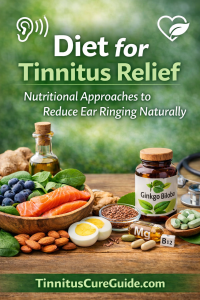
Diet For Tinnitus Relief: Dietary & Nutritional Approaches To Calm Ear Ringing Naturally
🔊 Understanding The Daily Reality Of Tinnitus
If you live with tinnitus, you know it’s more than just a sound. The constant ringing, buzzing, clicking, or whooshing can make sleep harder, increase stress, and make it difficult to focus at work or enjoy quiet moments. Many people search for long-term solutions — and one area getting more attention is nutrition.
A well-planned diet for tinnitus relief may help support nerve health, blood flow, and inner ear function. While nutrition is not a cure, research suggests certain nutrients and foods that help tinnitus may influence symptom severity and perception.
This guide explores evidence-based nutrition ear ringing strategies, supplements, and lifestyle changes that support overall hearing wellness.
🌿 What Causes Tinnitus And Why Nutrition Matters
Tinnitus is a symptom — not a disease. It can result from multiple underlying factors.
Common Causes Linked To Tinnitus
-
Noise-induced hearing loss
-
Age-related hearing changes
-
Earwax blockage
-
Circulation problems
-
Stress and anxiety
-
Medication side effects
-
Nutrient deficiencies
Nutrition affects several tinnitus-related body systems:
-
Nerve signaling pathways
-
Blood circulation to the inner ear
-
Inflammation levels
-
Brain sound-processing pathways
Because of this, following a diet for tinnitus relief may help reduce triggers and support overall ear health.

🥗 How A Diet For Tinnitus Relief Supports Ear And Nerve Health
The inner ear is highly sensitive to oxygen supply, inflammation levels, and nerve signaling balance. Nutrition can support all three.
Key Ways Nutrition Helps Tinnitus
-
Improves blood flow to the cochlea
-
Supports auditory nerve signaling
-
Reduces oxidative stress damage
-
Helps regulate neurotransmitters
Studies in hearing science and neurology show that nutrients tinnitus research focuses on include magnesium, B vitamins, and antioxidants.
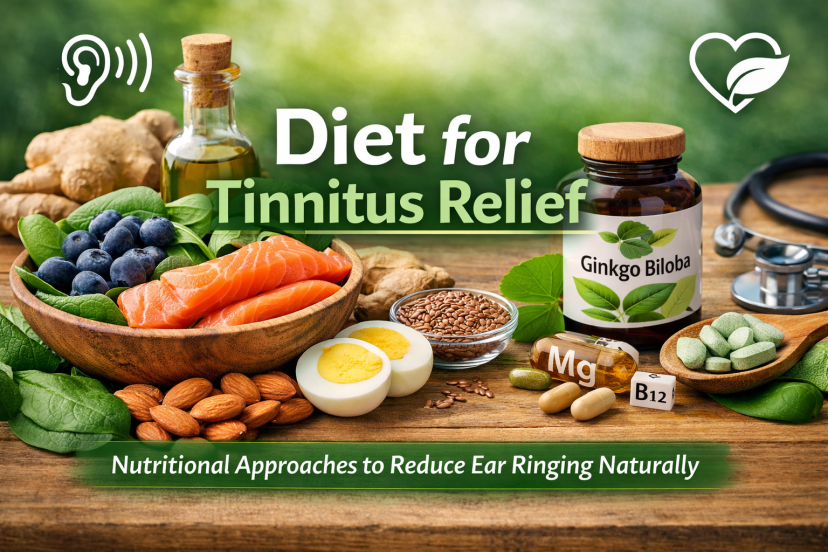
🥑 Foods That Help Tinnitus: What To Add To Your Diet
Certain whole foods contain nutrients that support hearing and nerve health.
Top Foods That Help Tinnitus
-
Leafy greens (Spinach, kale) – High in magnesium and folate
-
Fatty fish (Salmon, sardines) – Rich in omega-3 fatty acids
-
Bananas – Natural potassium source
-
Nuts and seeds – Provide zinc and magnesium
-
Eggs – Contain vitamin B12 and choline
-
Berries – High in antioxidants
Many tinnitus specialists recommend starting a diet for tinnitus relief by increasing whole, unprocessed foods.
🚫 Foods That May Worsen Tinnitus Symptoms
Some foods may increase inflammation, fluid retention, or nerve sensitivity.
Common Tinnitus Trigger Foods
-
Excess salt
-
High caffeine intake
-
Alcohol (especially red wine for some people)
-
Processed sugar
-
Highly processed foods
Not everyone reacts the same, but tracking foods can help identify patterns in nutrition ear ringing triggers.
💊 Key Nutrients Tinnitus Research Supports
Magnesium And Tinnitus
Magnesium helps regulate nerve activity and blood vessel relaxation.
Potential benefits:
-
May protect against noise damage
-
Supports healthy circulation
-
Helps regulate neurotransmitters
Vitamin B12 And Tinnitus
Low B12 levels have been linked to tinnitus symptoms in some studies.
Benefits include:
-
Supports nerve insulation (myelin)
-
Helps reduce neurological irritation
-
Supports brain auditory processing
Zinc And Hearing Support
Zinc plays a role in immune and nerve function.
Possible effects:

-
Supports inner ear immune defense
-
May help in some tinnitus cases
🌿 Supplements Commonly Used For Tinnitus Support
Many people combine a diet for tinnitus relief with targeted supplements.
Popular Tinnitus Support Supplements
-
Ginkgo biloba – May support circulation
-
Magnesium glycinate – Supports nerve calming
-
Vitamin B complex – Supports nerve function
-
Omega-3 fish oil – Supports blood flow
-
Vitamin D – Supports immune and nerve health
⚠️ Always consult a healthcare provider before starting supplements.
🧘♀️ Lifestyle Strategies That Enhance Diet For Tinnitus Relief
Nutrition works best when combined with healthy lifestyle habits.
Helpful Lifestyle Habits
-
Stress management practices
-
Regular physical activity
-
Quality sleep routines
-
Sound therapy or masking
-
Hydration
Apps used in the U.S., like sound masking and relaxation apps, are often combined with nutrition ear-ringing approaches.
🔊 Combining Nutrition With Sound Therapy
Sound therapy reduces tinnitus in contrast with silence.
Many people combine:
-
White noise machines
-
Hearing aids with masking features
-
Sound therapy mobile apps
Pairing sound therapy with a diet for tinnitus relief may support better long-term symptom management.
🥤 Hydration And Tinnitus: The Overlooked Factor
Dehydration may worsen tinnitus perception for some people.
Hydration Tips
-
Drink water consistently through the day
-
Limit excess caffeine
-
Increase hydration during exercise
🥗 Sample One-Day Diet For Tinnitus Relief
Breakfast
-
Oatmeal with berries
-
Almonds
-
Green tea
Lunch
-
Salmon salad
-
Olive oil dressing
-
Leafy greens
Dinner
-
Grilled chicken
-
Quinoa
-
Steamed vegetables
✅ Prevention Tips Using Nutrition
Long-Term Prevention Strategies
-
Maintain stable blood sugar
-
Reduce ultra-processed foods
-
Monitor sodium intake
-
Increase antioxidant foods
-
Support cardiovascular health
A consistent diet for tinnitus relief supports long-term ear and nerve wellness.
🚨 When To See A Doctor Or Audiologist
Seek medical evaluation if tinnitus:

-
Appears suddenly
-
Occurs in only one ear
-
Comes with dizziness or balance issues
-
Includes hearing loss
-
Pulses with heartbeat
-
Follows a head injury
ENT specialists and audiologists can evaluate underlying causes and recommend treatment plans.
❓ FAQs About Diet For Tinnitus Relief
1. Can diet really help tinnitus symptoms?
Diet cannot cure tinnitus, but some people experience symptom reduction when improving nutrition, circulation, and inflammation levels.
2. How long does it take for diet changes to help tinnitus?
Some people notice improvements in weeks, while others may take months of consistent nutrition and lifestyle changes.
3. Are there specific foods that help tinnitus immediately?
There are no instant cures, but magnesium-rich and anti-inflammatory foods support long-term improvement.
4. Does sugar make tinnitus worse?
High sugar intake may increase inflammation and blood sugar swings, which can worsen tinnitus perception in some individuals.
5. Is caffeine bad for tinnitus?
Some people are sensitive to caffeine, while others tolerate it well. Tracking intake helps identify triggers.
6. Should I take supplements or focus on food first?
Whole foods are usually recommended first. Supplements can help if deficiencies exist.
7. Is tinnitus linked to vitamin deficiency?
Yes. Deficiencies in B12, magnesium, and zinc are sometimes linked to tinnitus symptoms.

🌿 Final Thoughts: Managing Tinnitus Through Consistent Self-Care
Living with tinnitus can feel overwhelming, but many people find relief through consistent, small lifestyle improvements. A balanced diet for tinnitus relief, combined with sound therapy, stress management, and proper medical care, may help reduce symptom intensity over time.
Focus on progress — not perfection. Supporting your body daily often leads to the best long-term hearing wellness results.
⚠️ Medical Disclaimer
This article is for informational purposes only and is not medical advice. Always consult a qualified healthcare professional before starting any new diet, supplement, or treatment plan.
 Explore more:
- Tinnitus Retraining Therapy
- Pulsatile Tinnitus Heartbeat
- Medications That Can Cause Or Worsen Tinnitus