How To Stop Hormonal Tinnitus: Practical Ways To Calm Ringing Caused By Hormone Imbalances
💡 When Hormones Make Tinnitus Harder To Ignore
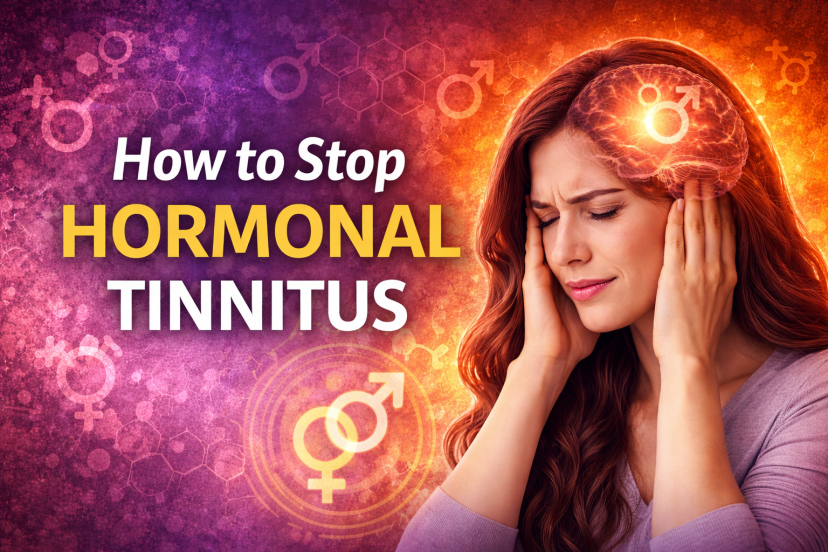
If you’re dealing with constant ringing, buzzing, humming, or whooshing in your ears, you already know how exhausting tinnitus can be. Sleep becomes difficult. Quiet moments feel louder than they should. Stress builds, and relief can feel frustratingly out of reach.
For many people—especially women during perimenopause or menopause, people under chronic stress, or those with thyroid issues—these symptoms aren’t random. They’re hormonal.
That’s why so many readers are now searching for how to stop hormonal tinnitus.
Hormones influence blood flow, nerve signaling, inflammation, sleep, and stress response—all of which affect how tinnitus starts and how loud it feels. The good news is this: while hormonal tinnitus can feel unpredictable, it is often manageable with the right combination of medical awareness, lifestyle changes, and nervous system support.
This guide explains what hormonal tinnitus is, why it happens, and the most effective ways to calm it naturally and safely.
🔊 What Is Hormonal Tinnitus?
Hormonal tinnitus refers to ear ringing or noise perception that worsens or appears during periods of hormonal imbalance. Unlike noise-induced tinnitus, symptoms may fluctuate with:
-
Menstrual cycles
-
Pregnancy
-
Menopause
-
Thyroid changes
-
Chronic stress or burnout
Hormones act as chemical messengers throughout the body. When they fall out of balance, the auditory system often reacts.
🧠 How Hormones Affect The Auditory System
Hormones don’t just affect mood or metabolism—they directly influence hearing pathways.
🔊 Hormones Can Impact Tinnitus By Affecting:
-
Inner ear blood flow
-
Auditory nerve sensitivity
-
Inflammation levels
-
Brain sound filtering
-
Stress and sleep regulation
This is why learning how to stop hormonal tinnitus requires addressing the whole system, not just the ears.
🌸 Common Hormonal Causes Of Tinnitus
🔊 Estrogen Fluctuations (Menopause And Perimenopause)
Estrogen supports circulation and nerve protection in the inner ear. When levels drop or fluctuate:
-
Blood flow to the cochlea may decrease
-
Nerve sensitivity increases
-
Tinnitus becomes more noticeable
Many U.S. women report tinnitus onset or worsening during menopause.
😰 Cortisol Imbalance (Stress Hormone)
Chronic stress raises cortisol, keeping the nervous system in “alert mode.”
-
Tinnitus feels louder
-
Sound sensitivity increases
-
Sleep quality declines
Learning how to stop hormonal tinnitus often starts with lowering stress hormones.
🦋 Thyroid Hormone Imbalance
Both hypothyroidism and hyperthyroidism are linked to tinnitus.
-
Altered nerve signaling
-
Circulation changes
-
Fatigue and brain fog
If tinnitus appears alongside thyroid symptoms, testing may be important.
🧪 Progesterone And Blood Sugar Hormones
Low progesterone and unstable insulin levels may increase nervous system excitability, worsening tinnitus perception.
🔔 Symptoms Of Hormonal Tinnitus
Hormonal tinnitus often has distinctive patterns:
-
Fluctuates in intensity
-
Worsens at night
-
Spikes during stress or hormonal shifts
-
Improves temporarily with relaxation
Recognizing these patterns is key to understanding how to stop hormonal tinnitus effectively.
🌿 How To Stop Hormonal Tinnitus Naturally
Managing hormonal tinnitus works best with a layered approach.
🧘♀️ Calm The Nervous System First
Stress amplifies hormonal tinnitus more than almost any other factor.
✅ Helpful Techniques:
-
Slow deep breathing (4–6 breaths per minute)
-
Gentle yoga or stretching
-
Guided meditation
-
Daily walks outdoors
Calming the nervous system reduces cortisol and lowers tinnitus volume perception.
🎧 Use Sound Therapy To Reduce Hormonal Sensitivity
Silence increases tinnitus awareness—especially during hormonal fluctuations.
🔊 Sound Therapy Options:
-
White or pink noise machines
-
Nature sounds (rain, ocean)
-
Tinnitus relief apps (U.S.-popular options include sound-masking apps with adjustable frequencies)
Consistent background sound trains the brain to deprioritize tinnitus signals.
💆♂️ Improve Sleep To Balance Hormones
Poor sleep worsens hormone imbalance—and tinnitus.
🌙 Sleep Support Tips:
-
Keep a consistent bedtime
-
Use sound at night
-
Avoid checking tinnitus loudness
-
Limit caffeine after midday
Better sleep often leads to quieter tinnitus within weeks.
🌿 Supplements Commonly Used For Hormonal Tinnitus
Always consult a healthcare provider before starting supplements.
💊 Frequently Used Options:
-
Magnesium – supports relaxation and nerve signaling
-
Vitamin B12 – supports auditory nerve health
-
Ginkgo biloba – may improve inner ear circulation
-
Vitamin D – supports immune and hormonal balance
These supplements don’t cure tinnitus but may reduce its severity when deficiencies exist.
🥗 Nutrition Tips To Support Hormonal Balance
Diet strongly influences hormones and inflammation.
🌿 Hormone-Friendly Nutrition:
-
Eat balanced meals with protein and fiber
-
Reduce excess sugar
-
Stay hydrated
-
Limit alcohol
Stable blood sugar helps reduce cortisol-driven tinnitus spikes.
🧠 Cognitive And Emotional Strategies
Hormonal tinnitus becomes louder when the brain interprets it as a threat.
🧠 Helpful Mindset Shifts:
-
Tinnitus is a signal, not danger
-
Fear increases volume perception
-
Calm reduces amplification
Changing your reaction is a powerful part of learning how to stop hormonal tinnitus.
🔊 Prevention Tips For Hormonal Tinnitus Flares
✅ Daily Habits That Help:
-
Protect your ears from loud noise
-
Manage stress consistently
-
Avoid complete silence
-
Maintain regular sleep
-
Stay physically active
Small daily habits add up over time.
🩺 When To See A Doctor Or Audiologist
Before assuming tinnitus is purely hormonal, a medical evaluation is important.
🚩 Seek Professional Care If You Experience:
-
Sudden hearing loss
-
Tinnitus in one ear only
-
Pulsating or heartbeat-like sounds
-
Dizziness or balance problems
-
Rapidly worsening symptoms
An ENT, audiologist, or endocrinologist can rule out underlying conditions.
❓ FAQs: How To Stop Hormonal Tinnitus
1. Can a hormone imbalance really cause tinnitus?
Yes. Hormones affect circulation, nerves, and brain sound processing, all linked to tinnitus.
2. Is hormonal tinnitus permanent?
Not usually. Many people experience improvement with stress reduction and hormone support.

3. Why is tinnitus worse during menopause?
Estrogen fluctuations affect blood flow and nerve sensitivity in the inner ear.
4. Can stress hormones make tinnitus louder?
Yes. High cortisol increases nervous system sensitivity and tinnitus awareness.
5. Do supplements help hormonal tinnitus?
They may help reduce severity when deficiencies are present.
6. Can hormone replacement therapy help tinnitus?
In some cases, but it must be carefully evaluated by a doctor.
7. How long does it take to calm hormonal tinnitus?
Improvements often appear within weeks to months with consistent lifestyle changes.
✅ Conclusion: A Calmer Path Forward
Learning how to stop hormonal tinnitus doesn’t mean chasing a single cure—it means supporting your body’s balance consistently and patiently.
By calming the nervous system, improving sleep, supporting hormone health, and reducing stress, many people find that tinnitus becomes quieter, less intrusive, and far easier to live with.
Hormonal tinnitus may fluctuate—but with the right tools, you can reduce its impact and regain a sense of calm and control.
⚠️ Medical Disclaimer
This content is for informational purposes only and does not replace professional medical advice. Always consult a qualified healthcare provider regarding tinnitus, hormone concerns, or treatment decisions.
 Explore more:
- Does Deep Breathing Help Tinnitus?
- Is Tinnitus Connected to Migraines?
- Is Tinnitus Psychological Or Physical? The Real Answer