Is Tinnitus Psychological Or Physical? The Real Answer Most People Never Get
❓ Why This Question Matters More Than You Think
If you live with tinnitus, you’ve probably asked this question—either silently or out loud:
Is tinnitus psychological or physical?
Maybe a doctor told you, “Your ears look fine,” leaving you feeling dismissed.
Or perhaps someone suggested “It’s just anxiety,” even though the ringing feels painfully real.
This confusion can be frustrating, isolating, and even frightening. Tinnitus doesn’t show up on scans the way a broken bone does—yet the sound is impossible to ignore. The truth is, tinnitus sits at a unique intersection between the body and the brain, and misunderstanding this is one of the biggest barriers to relief.
In this article, we’ll break down what tinnitus really is, why it’s both physical and neurological, how psychology plays a role without meaning “it’s all in your head,” and what this understanding means for real-world relief.
🧠 Understanding Tinnitus At Its Core
Tinnitus is the perception of sound—such as ringing, buzzing, hissing, or humming—without an external source. It affects millions of Americans and ranges from mild to life-disrupting.
To answer “is tinnitus psychological or physical?”, we need to understand how tinnitus forms.
Tinnitus usually begins with a physical or biological trigger, but how intense and persistent it becomes is heavily influenced by the brain and nervous system.
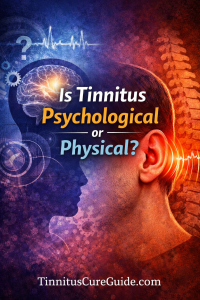
🔊 Is Tinnitus Psychological Or Physical? The Short Answer
Tinnitus is both physical and neurological—not purely psychological and not purely physical.
Here’s the most accurate way to think about it:
-
The trigger is often physical
-
The perception is neurological
-
The distress is psychological
-
The persistence is driven by brain processing
That combination explains why tinnitus is real, measurable in patterns, and deeply affected by stress, emotions, and attention.
🦻 The Physical Causes Of Tinnitus
In many cases, tinnitus starts with a physical change or injury in the auditory system.
🔔 Common Physical Triggers Include:
-
Noise-induced hearing damage
-
Age-related hearing loss
-
Ear infections or inflammation
-
Earwax blockage
-
Jaw (TMJ) dysfunction
-
Neck or cervical spine tension
-
Certain medications
These factors affect how sound signals are transmitted from the ear to the brain.
However, physical damage alone does not fully explain tinnitus, because many people with hearing loss never develop ringing, and some people with tinnitus have normal hearing tests.
🧠 The Brain’s Role In Tinnitus (Where Confusion Begins)
When the brain receives reduced or distorted sound input, it tries to compensate.
Think of it like turning up the volume on a radio when the signal is weak.
🔊 What The Brain Does:
-
Increases neural activity in auditory pathways
-
Fills in missing sound information
-
Creates a phantom sound signal
This is why tinnitus continues even when the ears are no longer damaged.
This leads many people to ask again: Is tinnitus psychological or physical?
The answer lies here: the sound is generated by the brain, but the brain is responding to a physical change.
😰 Why Tinnitus Is Often Labeled “Psychological” (And Why That’s Misleading)
Tinnitus is frequently associated with:
-
Anxiety
-
Stress
-
Depression
-
Insomnia
This causes confusion and frustration. Some people feel blamed or dismissed when told tinnitus is “psychological.”
🔊 Important Clarification
Psychological factors do not cause tinnitus, but they strongly influence:
-
How loud it feels
-
How intrusive it becomes
-
How much attention does the brain give it
That’s very different from saying tinnitus is imagined or fake.
🔁 The Tinnitus Loop: How Physical And Psychological Factors Interact
Tinnitus often becomes chronic due to a self-reinforcing loop.
🔄 The Loop Looks Like This:
-
A physical trigger starts tinnitus
-
The brain detects the sound as a threat
-
Stress and anxiety increase
-
The nervous system becomes hyper-alert
-
The brain amplifies the tinnitus signal
-
Awareness increases → distress increases
This loop explains why tinnitus feels louder during stress, quiet moments, or fatigue.
🧘♀️ Is Tinnitus Anxiety Or Stress-Based?
Stress does not create tinnitus—but it can dramatically worsen it.
High stress levels:
-
Increase cortisol
-
Heighten nervous system sensitivity
-
Reduce the brain’s ability to filter sound
That’s why many people notice tinnitus spikes during:
-
Emotional stress
-
Burnout
-
Poor sleep
-
Panic or anxiety episodes
Again, this doesn’t mean tinnitus is psychological—it means stress changes how the brain processes sound.
🧠 The Limbic System: Why Tinnitus Feels Emotional
The limbic system controls emotion and threat detection. In tinnitus sufferers, this system becomes strongly linked to the tinnitus signal.
🔔 What This Means:
-
The brain tags tinnitus as “important.”
-
Emotional responses attach to the sound
-
The sound becomes harder to ignore
This explains why tinnitus feels louder when you’re anxious and quieter when relaxed—even if the sound signal hasn’t changed.
🦻 Why Hearing Tests Can Be “Normal” Yet Tinnitus Persists
Many people are told, “Your hearing is fine,” yet tinnitus continues.
This happens because:
-
Standard tests don’t detect subtle nerve damage
-
Brain-level sound processing issues don’t show up
-
Hidden hearing loss isn’t always measurable
This fuels the misconception that tinnitus must be psychological.
In reality, current tests don’t fully capture how the auditory brain works.
🧠 Is Tinnitus Neurological?
Yes—tinnitus is best described as a neurological condition with physical origins.
It involves:
-
Auditory cortex hyperactivity
-
Neural misfiring
-
Altered brain sound filtering
This explains why treatments that calm the nervous system are often more effective than those focused only on the ears.
🌿 Why Understanding This Changes Everything
Once you understand that tinnitus is not “just in your head”, but also not only in your ears, the path forward becomes clearer.
You stop chasing a single cause—and start supporting the entire system.
🔊 Effective Approaches Based On This Understanding
🧘♀️ Nervous System Regulation
-
Deep breathing
-
Meditation
-
Gentle movement
-
Stress reduction
Calming the nervous system reduces tinnitus amplification.
🎧 Sound Therapy
-
White noise
-
Nature sounds
-
Background music
Sound therapy retrains the brain to deprioritize tinnitus.
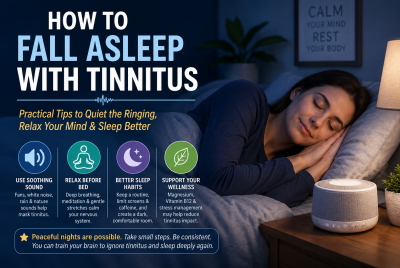
💤 Sleep Support
Poor sleep worsens both stress and tinnitus perception.
-
Consistent bedtime
-
Reduced screen exposure
-
Nighttime sound enrichment
🥗 Nutritional & Physical Support
-
Anti-inflammatory nutrition
-
Magnesium and B-vitamins (with medical guidance)
-
Neck and jaw tension relief
🩺 When To Seek Professional Help
Seek medical evaluation if tinnitus is:
-
Sudden or rapidly worsening
-
In one ear only
-
Pulsating with your heartbeat
-
Paired with dizziness or hearing loss
ENTs, audiologists, and sometimes neurologists can rule out serious causes.
❓ FAQs: Is Tinnitus Psychological Or Physical?
1. Is tinnitus all in my head?
No. Tinnitus is a real neurological response to physical or sensory changes.
2. Can anxiety cause tinnitus?
Anxiety does not cause tinnitus, but can significantly worsen it.
3. Why does tinnitus feel louder when I’m stressed?
Stress heightens the brain’s sensitivity to and attention to sound.
4. Can therapy help tinnitus?
Yes—especially therapies that reduce fear and stress around the sound.
5. Is tinnitus permanent?
Not always. Many people experience improvement with proper management.
6. Why do doctors disagree about tinnitus?
Because tinnitus spans multiple systems—ear, brain, and nervous system.
7. What’s the most accurate description of tinnitus?
A neurological condition triggered by physical changes and influenced by emotional processing.
✅ Conclusion: The Real Truth About Tinnitus
So, is tinnitus psychological or physical?
The most honest answer is this:
Tinnitus is physical in origin, neurological in function, and psychological in impact.
Understanding this removes blame, reduces fear, and opens the door to effective strategies. When you stop fighting the sound and start calming the system that perceives it, tinnitus often becomes quieter, less intrusive, and far more manageable.
Relief isn’t about proving tinnitus is real—it already is.
Relief comes from working with your brain, not against it.
⚠️ Medical Disclaimer
This content is for informational purposes only and does not replace professional medical advice. Always consult a qualified healthcare provider regarding tinnitus or hearing concerns.
 Explore more:
- Does Deep Breathing Help Tinnitus?
- Teeth Grinding And Tinnitus
- Hearing Aids Vs Masking Devices For Tinnitus