How To Stop Ringing In The Ears Naturally: Proven Lifestyle Strategies That Actually Help
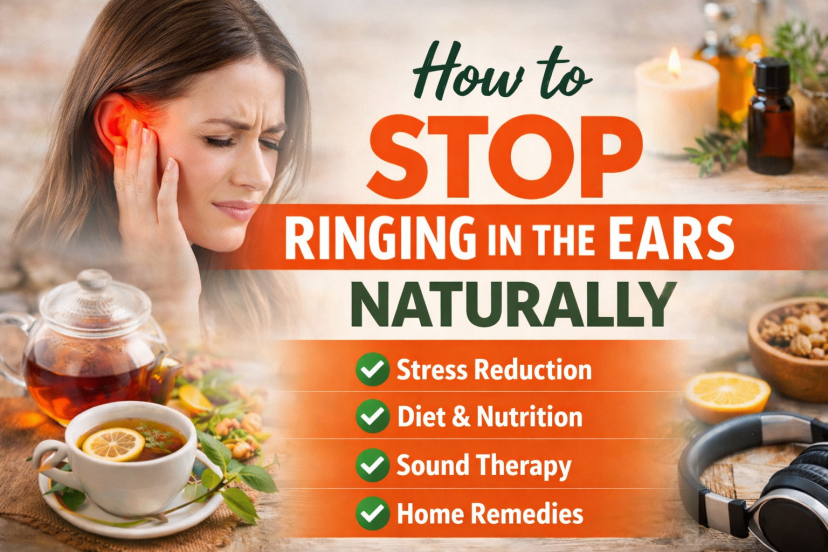
Ringing in the ears—commonly known as tinnitus—can be frustrating, distracting, and emotionally exhausting. For many people, the sound appears as ringing, buzzing, hissing, or humming, especially during quiet moments or at night. While medical treatment may be necessary in some cases, millions of people successfully reduce symptoms through natural, lifestyle-based strategies.
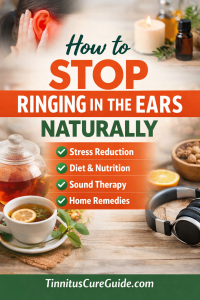
If you’re searching for ways to stop ringing in the ears naturally, the good news is that tinnitus is often influenced by habits, stress levels, diet, posture, and nervous system health. Small, consistent changes can significantly reduce symptom intensity over time.
This guide explores evidence-supported, non-invasive approaches that focus on calming the nervous system, supporting ear health, and minimizing common tinnitus triggers—without medication or invasive procedures
🔍 Understanding Why Ringing In The Ears Happens
Tinnitus is not a disease itself—it’s a symptom. In many cases, it occurs when the brain attempts to compensate for changes in auditory input or sensory processing.
Common contributors include:
-
Noise exposure
-
Stress and anxiety
-
Circulation issues
-
Jaw or neck tension
-
Inflammation
-
Poor sleep
-
Nutrient deficiencies
Because tinnitus is influenced by multiple systems in the body, natural management works best when approached holistically, rather than relying on one single remedy.

🧘♀️ Reduce Stress To Calm The Nervous System
Stress is one of the most powerful tinnitus amplifiers. When the nervous system is overstimulated, the brain becomes more sensitive to internal sounds.
Ways stress worsens tinnitus:
-
Heightens sound awareness
-
Increases muscle tension in the neck and jaw
-
Disrupts sleep quality
-
Elevates cortisol levels
✨ Natural Stress-Reduction Techniques
-
Deep breathing exercises (4-7-8 or box breathing)
-
Daily mindfulness or meditation practice
-
Gentle yoga or stretching
-
Short outdoor walks
-
Reducing multitasking and mental overload
Lowering stress doesn’t eliminate tinnitus overnight—but it often reduces volume, frequency, and emotional reaction, which is a major step toward relief.
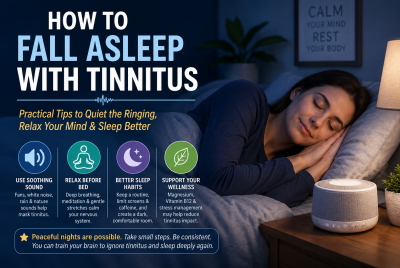
🛌 Improve Sleep To Reduce Nighttime Ringing
Many people notice tinnitus more intensely at night. This happens because the brain has fewer external sounds to focus on, making internal noise more noticeable.
Poor sleep can:
-
Increase tinnitus sensitivity
-
Impair emotional regulation
-
Slow nervous system recovery
✨ Natural Sleep Support Tips
-
Keep a consistent bedtime and wake-up time
-
Avoid screens at least one hour before bed
-
Use warm lighting in the evening
-
Keep the bedroom cool and quiet
-
Avoid caffeine after early afternoon
Even improving sleep quality by 30–60 minutes per night can noticeably reduce tinnitus distress over time.
🧑 Use Sound Therapy To Mask Ringing Naturally
Silence often makes tinnitus feel louder. Introducing gentle background sound helps the brain shift attention away from internal noise.
Helpful sound options include:
-
White noise machines
-
Soft rain or ocean sounds
-
Low-volume instrumental music
-
Fans or air purifiers
Sound therapy does not “cure” tinnitus—but it reduces contrast, making ringing less dominant and easier to ignore, especially during rest or sleep.
🥗 Adjust Diet To Reduce Inflammation And Triggers
Diet plays a surprisingly important role in tinnitus severity. Certain foods can worsen inflammation, fluid balance, or nerve sensitivity.
⭐ Common Dietary Triggers
-
Excess salt
-
Caffeine (for some people)
-
Alcohol
-
Processed foods
-
High sugar intake
⭐ Supportive Nutrition Choices
-
Leafy greens and vegetables
-
Omega-3-rich foods
-
Magnesium-rich foods
-
Adequate hydration
-
Balanced blood sugar meals
Instead of eliminating everything at once, try one small change at a time and track symptom response.
💧 Stay Hydrated For Inner Ear Balance
Dehydration can affect blood flow and inner ear fluid balance, potentially increasing tinnitus symptoms.
Hydration tips:
-
Drink water consistently throughout the day
-
Limit sugary beverages
-
Balance electrolytes if exercising or sweating heavily
Even mild dehydration can worsen ringing in sensitive individuals, making hydration one of the simplest natural strategies to implement.
💪 Release Neck And Jaw Tension
Tension in the neck, shoulders, and jaw can contribute to tinnitus by irritating nearby nerves and blood vessels.
Helpful practices include:
-
Gentle neck stretches
-
Jaw relaxation exercises
-
Avoiding teeth clenching
-
Improving desk posture
-
Taking frequent movement breaks
Many people are surprised to find that reducing muscle tension can lower tinnitus volume, especially when symptoms are worse on one side.
👂 Protect Your Ears From Further Irritation
Ongoing noise exposure can make tinnitus worse over time—even at levels that don’t seem harmful.
Protective habits:
-
Lower headphone volume
-
Follow the 60/60 listening rule
-
Use ear protection at concerts or loud events
-
Avoid prolonged exposure to background noise
Protecting hearing doesn’t reverse tinnitus, but it prevents progression, which is critical for long-term management.
💊 Support Nutritional Deficiencies Naturally
Certain nutrient deficiencies are associated with nerve sensitivity and auditory stress.
Commonly discussed nutrients:
-
Magnesium
-
Vitamin B12
-
Omega-3 fatty acids
Before supplementing, it’s best to focus on food sources or consult a healthcare professional—especially if symptoms are persistent.
🙌 Practice Mind-Body Habituation
One of the most effective long-term strategies is habituation—training the brain to stop reacting emotionally to tinnitus.
Habituation techniques include:
-
Cognitive reframing
-
Mindfulness-based stress reduction
-
Acceptance-based approaches
-
Gradual sound desensitization
When tinnitus no longer triggers anxiety or frustration, the brain naturally gives it less attention, making it feel quieter over time.
🏥 Maintain Healthy Circulation
Healthy blood flow supports inner ear function and nerve health.
Natural circulation boosters:
-
Regular walking
-
Gentle aerobic exercise
-
Stretching breaks
-
Avoiding prolonged sitting
Movement doesn’t need to be intense—consistency matters more than intensity.
🚫 Avoid Over-Monitoring Your Symptoms
Constantly checking whether tinnitus is louder often makes it feel worse.

Helpful mindset shifts:
-
Focus attention outward
-
Avoid searching for silence
-
Reduce symptom tracking
-
Engage in absorbing activities
The less importance the brain assigns to tinnitus, the less intrusive it becomes.
🧘♀️ When Natural Methods Are Enough—and When They’re Not
Natural strategies work best when tinnitus is:
-
Mild to moderate
-
Stress-related
-
Noise-induced
-
Lifestyle-triggered
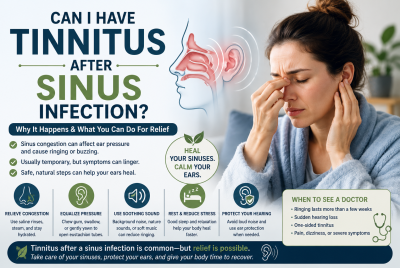
However, seek medical evaluation if ringing:
-
Appears suddenly
-
Occurs in only one ear
-
Pulses with heartbeat
-
Is accompanied by dizziness or hearing loss
Natural care supports management—but medical causes must be ruled out.
📅 Long-Term Natural Tinnitus Management Plan
The most successful approach combines multiple small habits rather than one single remedy.
Sustainable Lifestyle Plan
-
Prioritize sleep quality
-
Manage daily stress
-
Eat anti-inflammatory foods
-
Stay hydrated
-
Protect hearing
-
Use sound support
-
Practice acceptance and habituation
Over time, these changes can significantly reduce symptom intensity and emotional burden.
❓ FAQs: Stop Ringing In The Ears Naturally
1. Can ringing in the ears be stopped naturally?
Yes. Many people reduce ringing in the ears naturally by managing stress, improving sleep, protecting hearing, adjusting diet, and using sound therapy to calm the nervous system.
2. What is the fastest natural way to reduce ear ringing?
The fastest natural relief often comes from lowering stress, using background sound, avoiding silence, and staying hydrated, which helps reduce nervous system overactivity.
3. Does drinking water help stop ringing in the ears?
Yes. Proper hydration supports inner ear fluid balance and circulation, which may help reduce tinnitus intensity in people sensitive to dehydration.
4. What foods should I avoid if I have tinnitus?
Common triggers include excessive salt, caffeine, alcohol, processed foods, and added sugars, as they can increase inflammation or fluid pressure in the inner ear.
5. Can stress really make tinnitus worse?
Yes. Stress activates the nervous system and increases sound awareness, often making tinnitus louder and more persistent during anxious or overwhelming periods.
6. Are home remedies effective for tinnitus relief?
Home remedies like sound therapy, relaxation exercises, posture correction, and sleep improvements can significantly reduce tinnitus distress when practiced consistently.
7. When should I see a doctor for ringing in the ears?
You should see a doctor if tinnitus is sudden, occurs in one ear, pulses with your heartbeat, or is accompanied by dizziness or hearing loss.
💥 Final Thoughts: Stop Ringing In Ears Naturally
If you’re trying to stop ringing in the ears naturally, remember that tinnitus is often influenced by how the body and brain respond to stress, stimulation, and lifestyle habits. While there may not be an instant cure, natural strategies can dramatically improve quality of life.
Consistency, patience, and a holistic approach are key. When the nervous system calms and the brain stops treating tinnitus as a threat, relief often follows.
⚠️ Disclaimer
This content is for educational purposes only and does not replace medical advice. If tinnitus is severe, sudden, or worsening, consult a qualified healthcare professional.
 Explore more: