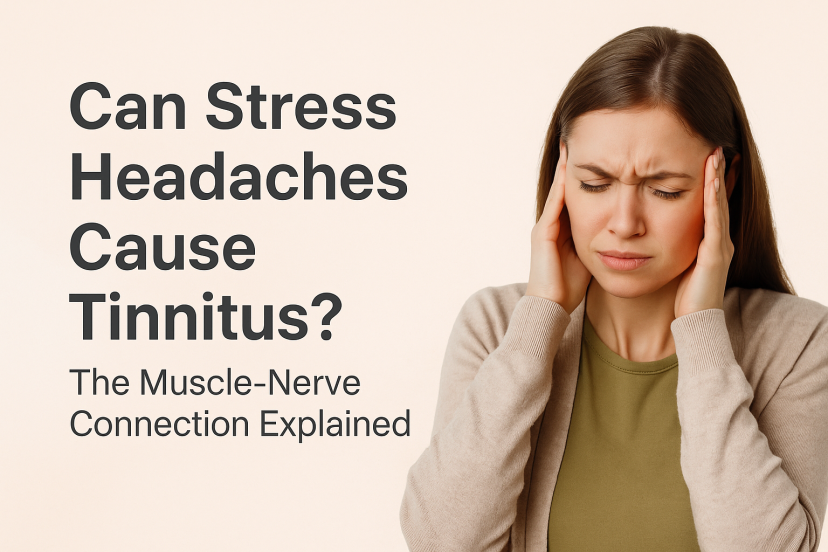
Can Stress Headaches Cause Tinnitus? The Muscle-Nerve Connection Explained
🧠 When Stress, Head Pain, and Ear Ringing Collide
If you suffer from stress headaches and tinnitus, you may have noticed a frustrating pattern: when your head tightens with pressure, the ringing in your ears often becomes louder or more piercing. For many people, this connection is not a coincidence.
This leads to a crucial question:
Can stress headaches cause tinnitus?
The answer is yes — stress headaches can absolutely trigger or worsen tinnitus, especially when muscle tension, nerve irritation, and nervous system overload are involved. In fact, stress headaches are one of the most common hidden drivers of somatic tinnitus, a type of tinnitus influenced by muscle and movement rather than permanent ear damage.
In this in-depth guide, you’ll learn:
-
How stress, headaches, and tinnitus are biologically connected
-
The muscle-nerve mechanisms behind ringing
-
Why jaw, neck, and shoulder tension amplifies tinnitus
-
Signs your tinnitus is stress-headache related
-
Natural strategies for relief
-
When medical care is essential
-
7 helpful FAQs
-
A medical disclaimer
Let’s break down the muscle-nerve connection between stress headaches and tinnitus and what you can do to calm both.

🔊 What Are Stress Headaches?
Stress headaches are usually classified as tension-type headaches. They are caused by sustained muscle tightening around the:
-
Forehead
-
Temples
-
Jaw
-
Neck
-
Shoulders
-
Upper back
They feel like:
-
A tight band around the head
-
A dull, aching pressure
-
Heaviness behind the eyes
-
Scalp tenderness
-
Neck stiffness
Unlike migraines, stress headaches are less throbbing and more constant — and they often occur alongside tinnitus.
🧘♀️How Stress Headaches Trigger Tinnitus
Let’s explore the direct biological pathways that explain why so many people experience ear ringing during stress headaches.
⭐ 1. Muscle Tension Compresses Ear-Related Nerves
The muscles involved in stress headaches share space with critical nerves connected to hearing:
-
Trigeminal nerve (face and jaw)
-
Cervical nerves C1–C4 (neck and shoulders)
-
Auditory nerve pathways in the brainstem
When muscles tighten during stress, they can:
-
Compress neighboring nerves
-
Disrupt normal signaling
-
Create abnormal sensory input
-
Increase tinnitus perception
This causes tinnitus that:
-
Changes with head movement
-
Intensifies with jaw clenching
-
Spikes during emotional stress
This is classic somatic tinnitus.
⭐ 2. Jaw Clenching and TMJ Dysfunction Amplify Ringing
Stress causes many people to unconsciously:
-
Clench their jaw
-
Grind teeth
-
Tighten facial muscles
-
Hold tension in the mouth
This leads to TMJ dysfunction, one of the strongest known triggers of tinnitus.
TMJ-related tension can cause:
-
Ear fullness
-
Clicking or popping
-
Ringing spikes
-
Pressure-type tinnitus
Many patients report dramatic tinnitus improvements once jaw tension is treated.
⭐ 3. Stress Headaches Restrict Blood Flow to the Ears
Prolonged muscle contraction in the neck and shoulders restricts circulation to the:
-
Inner ear
-
Auditory nerve
-
Brainstem
Restricted blood flow can trigger:
-
Ringing
-
Whooshing sounds
-
Muffled hearing
-
Pulsatile tinnitus
Poor circulation alone can cause tinnitus even without hearing loss.
⭐ 4. The Nervous System Becomes Overstimulated Under Stress
Stress activates the sympathetic nervous system (fight-or-flight mode). This causes:
-
Increased sound sensitivity
-
Heightened alertness
-
Amplified sensory perception
-
Reduced ability to filter background noise
As a result, tinnitus may appear:
-
Louder
-
Sharper
-
More constant
-
Harder to ignore
Even mild tinnitus becomes overwhelming under stress.
⭐ 5. Stress Headaches Disrupt Sleep, Which Worsens Tinnitus
Poor sleep is both a cause and consequence of stress headaches and tinnitus.
Sleep deprivation causes:
-
Increased pain sensitivity
-
Auditory nerve overactivity
-
Poor emotional regulation
-
Reduced stress tolerance
-
Heightened tinnitus awareness
This creates a feedback loop:
Stress → Headaches → Poor Sleep → Louder Tinnitus → More Stress
Breaking this loop is essential for recovery.
📌 Signs Your Tinnitus Is Caused by Stress Headaches
You likely have stress-headache-related tinnitus if you notice:
-
Ringing worsens during stressful days
-
Tinnitus changes when you clench your jaw
-
Neck or shoulder tension increases ringing
-
Head pressure precedes tinnitus spikes
-
Stretching or massage reduces ringing
-
Tinnitus fluctuates during workdays
-
Emotional stress immediately worsens symptoms
These are strong indicators of muscle-nerve-driven tinnitus.
💆 How to Reduce Stress-Headache-Related Tinnitus Naturally
The key to relief is calming the nervous system and relaxing the muscles that irritate ear-related nerves.
✔ 1. Relax Neck, Jaw, and Shoulder Muscles Daily
Effective techniques include:
-
Shoulder rolls
-
Jaw relaxation exercises
-
Heat therapy
-
Trigger-point massage
Relaxing these muscles reduces nerve compression almost immediately.
✔ 2. Correct Posture to Reduce Nerve Strain
Poor posture is a major contributor to stress headaches.
Posture correction includes:

-
Screen at eye level
-
Shoulders down and back
-
Head stacked over spine
-
Lumbar support
-
Movement breaks every 30–45 minutes
Better posture dramatically reduces tension-based tinnitus.
✔ 3. Calm the Nervous System
Daily calming practices lower tinnitus intensity:
-
Deep breathing
-
Progressive muscle relaxation
-
Meditation
-
Gentle yoga
-
Slow walking
-
Relaxation teas (lemon balm, chamomile, peppermint)
Even 10 minutes daily can change nervous system reactivity.
✔ 4. Support Healthy Blood Flow
-
Stay hydrated
-
Avoid skipping meals
-
Limit sudden caffeine spikes
-
Use gentle daily movement
-
Apply a warm compress to the neck
Improved circulation stabilizes tinnitus perception.
✔ 5. Improve Sleep Routine
-
Consistent bedtime
-
Sound masking at night
-
No screens before bed
-
Cool, dark bedroom
-
Evening wind-down ritual
Better sleep weakens both headaches and tinnitus intensity.
✔ 6. Reduce Jaw Clenching and TMJ Stress
-
Tongue resting on the roof of the mouth
-
Avoid chewing gum
-
Avoid daytime clenching
-
Use a night guard if grinding
-
Gentle TMJ stretching
Jaw relaxation is often the missing key for tinnitus relief.
✔ 7. Track Stress Triggers
Common stress-headache-tinnitus triggers include:
-
Work pressure
-
Emotional strain
-
Poor sleep
-
Dehydration
-
Bright screens
-
Loud environments
A simple journal helps identify and control triggers.
🧘 Daily Routine for Stress-Headache-Tinnitus Relief
Morning
-
Hydration
-
Gentle stretching
-
Posture check
Midday
-
Neck rolls
-
Breathing break
-
Stress monitoring
Evening
-
Heat on the shoulders
-
Relaxation tea
-
Light stretching
Bedtime
-
Sound masking
-
Dim lighting
-
Consistent sleep hours
Small habits create long-term nervous system stability.
❗ When to See a Doctor
Seek medical evaluation if you experience:
-
Sudden onset of unilateral tinnitus
-
Severe or worsening headaches
-
Neurological symptoms (numbness, weakness, vision loss)
-
Persistent dizziness
-
Jaw locking or severe TMJ pain
-
Headaches that wake you from sleep
Helpful specialists include:
-
Neurologists
-
ENT specialists
-
Physical therapists
-
TMJ dentists
📌 FAQs About Stress Headaches and Tinnitus
1. Can stress headaches directly cause tinnitus?
Yes. Muscle tension, nerve compression, and nervous system overload from stress headaches can directly trigger ringing in the ears.
2. Is stress-headache tinnitus permanent?
Usually not. Once muscle tension and stress responses are treated, tinnitus often improves significantly.
3. Why does my tinnitus get louder during stressful moments?
Stress activates the nervous system and heightens sound sensitivity while tightening ear-related muscles.
4. Can jaw tension worsen both headaches and tinnitus?
Yes. TMJ dysfunction is one of the strongest shared triggers.
5. Does posture affect stress-related tinnitus?
Absolutely. Poor posture strains the neck and compresses nerve pathways tied to ear ringing.
6. Will massage help stress-headache tinnitus?
For many people, yes. Massage reduces muscle spasms, improves circulation, and lowers nerve irritation.
7. Can anxiety alone cause tinnitus without hearing damage?
Yes. Anxiety overstimulates the auditory system and can generate tinnitus without lasting ear injury.
🏁 Conclusion: Yes—Stress Headaches Can Cause or Worsen Tinnitus
Stress headaches and tinnitus are tightly connected through:
-
Muscle tension
-
Nerve compression
-
Blood-flow restriction
-
Nervous system overactivation
-
Jaw dysfunction
-
Sleep disruption
The good news is that stress-related tinnitus is among the most reversible forms. By calming the nervous system, improving posture, relaxing muscles, restoring sleep, and managing daily stress, many people experience meaningful tinnitus relief.
Understanding this muscle-nerve connection empowers you to treat the source — not just the sound.
⚠️ Medical Disclaimer
This article is for informational purposes only and does not constitute medical advice. Stress headaches and tinnitus may be symptoms of underlying medical conditions requiring professional evaluation. Always consult a qualified healthcare provider, neurologist, or audiologist before starting any new treatment or exercise program.
 Explore more:
- Green Tea for Tinnitus
- Can Tinnitus Trigger Headaches and Vertigo?
- How To Stop Ringing In The Ears Naturally