Lemon Balm Tea for Tinnitus Anxiety: A Natural Way to Soothe the Ringing
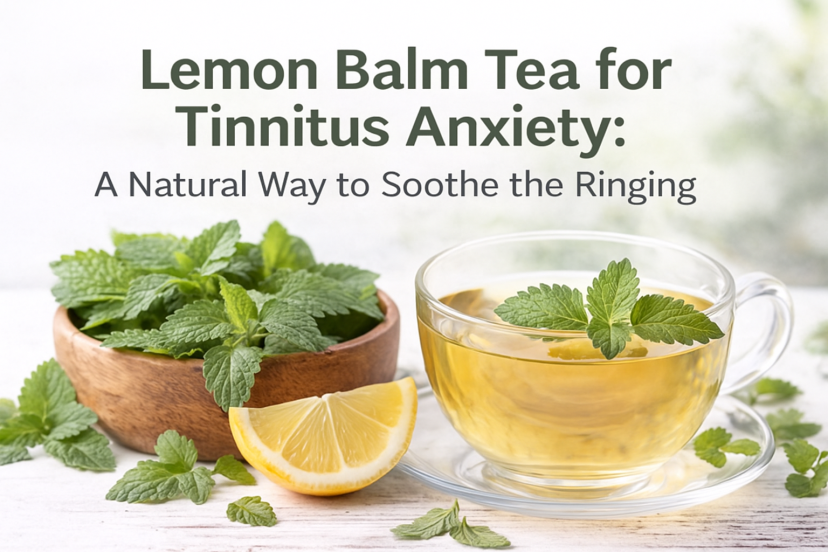
Lemon balm tea for Tinnitus anxiety — Known for calming the nervous system, may help reduce tinnitus-related anxiety.
🍋 Can Lemon Balm Tea Help Calm Tinnitus Anxiety?
Tinnitus — the constant ringing, buzzing, whooshing, or hissing in the ears — affects millions worldwide. While tinnitus may come from many causes (noise exposure, aging, stress, sinus issues, muscle tension), one of the most misunderstood aspects is how strongly anxiety affects tinnitus.
When anxiety rises, tinnitus often becomes:
-
Louder
-
Sharper
-
More noticeable
-
More irritating
-
Harder to ignore
-
Emotionally overwhelming
This is because tinnitus and anxiety are deeply connected within the nervous system.
One herbal remedy known specifically for reducing anxiety, calming nerves, and promoting relaxation is lemon balm tea, also known as Melissa officinalis.
Lemon balm has been used for centuries to soothe the mind, relax the body, quiet racing thoughts, and reduce stress-related symptoms — all of which can directly influence tinnitus perception.

In this detailed guide, you’ll learn:
-
How anxiety affects tinnitus loudness
-
Why lemon balm is one of the most calming herbal teas
-
How lemon balm tea may help reduce tinnitus-related stress
-
Brewing tips, timing, dosage, and daily routines
-
7 helpful FAQs
-
A medical disclaimer
Let’s explore whether Lemon Balm Tea for Tinnitus Anxiety can help calm your nervous system and create a quieter internal environment.
🌱 What Is Lemon Balm?
Lemon balm is a fragrant, calming herb in the mint family. It has a light citrus scent and is commonly used in teas, extracts, and aromatherapy blends.
It contains several powerful compounds that support mental and emotional wellness:
-
Rosmarinic acid – Natural anxiolytic (anxiety-reducing)
-
Caffeic acid – Antioxidant and anti-inflammatory
-
Citral & citronellal – Relaxing aromatic compounds
-
Flavonoids – Calm the nervous system
-
Terpenes – Promote relaxation and cognitive ease
Because tinnitus perception is highly influenced by emotional state, lemon balm’s calming effects can play a major supportive role.
🔊 Understanding the Tinnitus–Anxiety Loop
Before exploring lemon balm tea’s benefits, it’s important to understand why anxiety makes tinnitus worse.
Anxiety triggers:
-
Faster auditory processing
-
Heightened awareness
-
Increased sensitivity to sound
-
Muscle tension around the ears and neck
-
Nervous system over-activation
This creates a feedback loop:
-
Tinnitus becomes louder
-
You get anxious
-
Anxiety tightens muscles and accelerates the nervous system
-
Tinnitus feels even louder
This loop can dominate daily life.
This is where calming remedies — like lemon balm — may help.
🍋 How Lemon Balm Tea Helps With Tinnitus Anxiety
Lemon balm doesn’t cure tinnitus and doesn’t alter the physical ear — but it can improve how your brain and nervous system react to tinnitus.
Below are the most meaningful ways it may help.
⭐ 1. Calms the Nervous System to Reduce Tinnitus Reactivity
Lemon balm is known for its gentle sedative and calming properties.
It may help:
-
Reduce nervous system overactivity
-
Calm the body’s response to tinnitus
-
Lower emotional reactivity
-
Reduce the “alarm response” that tinnitus can create
-
Make sounds less intrusive
For many people, tinnitus is not just about the noise — it’s about the reaction to the noise. Lemon balm directly supports this area.
⭐ 2. Reduces Anxiety, Which Often Lowers Perceived Loudness
Studies show lemon balm may help reduce:
-
Nervousness
-
Restlessness
-
Excess tension
-
Racing thoughts
-
Stress hormones
Since anxiety often makes tinnitus seem louder, feeling calmer may reduce the perceived volume, sharpness, or intrusiveness of the ringing.
⭐ 3. Supports Better Sleep — Essential for Tinnitus Recovery
Poor sleep is one of the biggest tinnitus triggers.
Lemon balm tea may:
-
Promote relaxation before bed
-
Encourage deeper, calmer sleep
-
Reduce nighttime wake-ups
-
Lower cortisol (stress hormone)
People who sleep better often experience less tinnitus distress the next day.
⭐ 4. Relaxes Tight Muscles in the Jaw, Face, and Neck
Stress often causes the body to tense, especially around the ears.
Lemon balm has mild muscle-relaxing effects that may help ease:
-
TMJ tension
-
Clenching
-
Headaches
-
Neck tightness
-
Ear-adjacent muscle stress
Reducing tension often reduces tinnitus spikes.
⭐ 5. Supports Cognitive Calm and Improved Focus
When the brain is calm, it naturally filters tinnitus better.
Lemon balm may help:
-
Quiet mental chatter
-
Improve focus
-
Reduce overwhelm
-
Stabilize mood
A calmer mind means less energy spent focusing on tinnitus.
🔬 Research on Lemon Balm for Stress and Anxiety
While lemon balm is not clinically proven to treat tinnitus, numerous studies show benefits for:
-
Anxiety reduction
-
Improved calmness
-
Better cognitive clarity
-
Improved sleep quality
-
Reduced agitation
Research repeatedly confirms that lemon balm has measurable calming effects — making it a powerful holistic tool for tinnitus-related anxiety.
🍵 How to Use Lemon Balm Tea for Tinnitus Anxiety
✔ Best Times to Drink Lemon Balm Tea
Because lemon balm is calming and non-stimulating, it’s ideal during:
-
Morning anxiety spikes
-
Midday stress
-
After work
-
Pre-bed relaxation
-
During tinnitus flare-ups
-
During emotional overwhelm
Most people enjoy 1–3 cups per day.
✔ How to Brew Lemon Balm Tea Correctly
-
Use 1–2 teaspoons dried lemon balm (or 1 tea bag)
-
Add hot water (not boiling)
-
Steep 5–10 minutes
-
Cover the cup to trap calming vapors
Fresh leaves can also be used for an even brighter flavor.

✔ Add-ins to Boost Tinnitus-Calming Benefits
-
Honey – Soothing, grounding
-
Chamomile – Strong relaxation
-
Lavender – Eases muscle tension
-
Lemon – Enhanced flavor, antioxidants
-
Ginger – Helps inflammation
-
Peppermint – Reduces tension
🧘♀️ How Lemon Balm Tea Fits Into a Tinnitus Anxiety Routine
To maximize benefits, combine lemon balm tea with other tinnitus-calming strategies.
✔ Stress Management
-
Deep breathing
-
Meditation
-
Mindfulness
-
Gentle stretching
-
Slow walks
⭐ Muscle Relaxation
-
Warm compress on the neck
-
Jaw relaxation exercises
-
Shoulder rolls
✔ Sleep Hygiene
-
Set bedtime schedule
-
Limit screens before bed
-
Use white noise while sleeping
-
Drink lemon balm tea 1 hour before bed
⭐ Sound Therapy
-
Pink or brown noise
-
Ocean or rain sounds
-
White noise machines
-
Ambient nature audio
✔ Emotional Support
-
Journaling
-
Cognitive reframing
-
Acceptance techniques
-
Talking with a therapist
Combined together, these habits help reduce tinnitus anxiety significantly.
❗ Who Should Avoid Lemon Balm Tea?
Lemon balm is safe for most adults, but caution is needed if you:
-
Are pregnant
-
Are breastfeeding
-
Take thyroid medications (it may reduce thyroid hormone levels)
-
Take sedatives
-
Have hypothyroidism
-
Take medications for anxiety or depression
-
Are allergic to mint-family plants
Always speak with a doctor if you’re unsure.
📌 FAQs About Lemon Balm Tea and Tinnitus Anxiety
1. Can lemon balm tea cure tinnitus?
No, lemon balm cannot cure tinnitus. But it can help reduce anxiety, which often lowers tinnitus perception.
2. How long does lemon balm tea take to calm tinnitus anxiety?
Most people feel calmer within 20–40 minutes, especially before bed or during stress.
3. How many cups can I drink per day?
Most people do well with 1–3 cups daily. Higher amounts may cause drowsiness.
4. Can I drink lemon balm tea at night?
Yes — it’s caffeine-free and ideal for sleep support.
5. Does lemon balm help with stress-induced tinnitus?
Yes. Lemon balm directly reduces stress hormones and promotes relaxation, helping calm stress-related tinnitus spikes.
6. Can lemon balm tea help TMJ or tension tinnitus?
Lemon balm has mild muscle-relaxing effects, which may reduce jaw tension, a major trigger for tension tinnitus.
7. Can lemon balm interact with anxiety medications?
Yes — lemon balm can amplify sedative effects. Always consult a doctor before combining.
🏁 Conclusion: Can Lemon Balm Tea Help With Tinnitus Anxiety?
Lemon balm tea is a gentle, natural, and effective herbal remedy for reducing anxiety — one of the strongest triggers of tinnitus distress. While lemon balm does not eliminate tinnitus, its ability to calm the nervous system, relax muscles, ease tension, quiet mental stress, and support better sleep makes it a valuable part of a holistic tinnitus care routine.
By reducing anxiety, many people find that lemon balm tea helps:
-
Lower tinnitus reactivity
-
Reduce perceived loudness
-
Promote emotional resilience
-
Support a calmer, quieter state of mind
For individuals with stress-induced or tension-related tinnitus, Lemon Balm Tea for Tinnitus Anxiety offers a soothing, healthy, and enjoyable way to manage symptoms naturally.
⚠️ Medical Disclaimer
This article is for informational purposes only and does not provide medical advice, diagnosis, or treatment. Lemon balm tea does not cure tinnitus. Always consult a healthcare professional before using herbal products if you have health conditions, take medications, or are pregnant or breastfeeding.
 Explore more:
- Is Hibiscus Tea Good for Tinnitus
- Can Headaches Cause Tinnitus?
- Why Did My Ear Randomly Start Ringing?