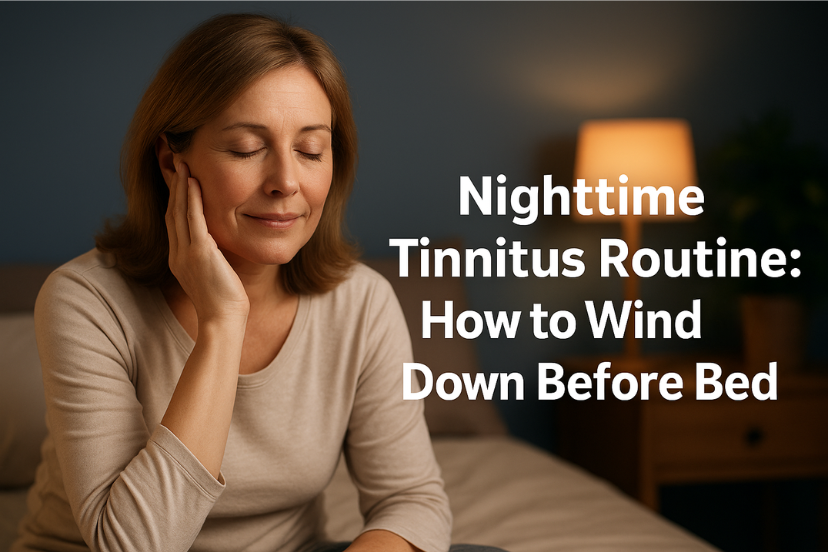
Nighttime Tinnitus Routine: How to Wind Down Before Bed
🔊 Why a Tinnitus Bedtime Routine Matters
When you live with tinnitus, nighttime can feel like the hardest part of the day. The ringing, buzzing, hissing, whooshing, or pulsing sounds become more noticeable when the world gets quiet. Each night may feel like a battle: tossing, turning, trying to fall asleep while your ears refuse to settle.
But the right tinnitus bedtime routine can change everything.
A calming, intentional evening ritual helps quiet the mind, reduce stress, support sleep hygiene, and create a peaceful environment that makes it easier to fall asleep — even when tinnitus is loud. This guide breaks down the best nighttime strategies and offers a practical, step-by-step plan you can start tonight.
🌙 What Makes Tinnitus Worse at Night?
Before building a routine, it helps to understand why tinnitus often spikes before bed.
🧠 Lack of Background Noise
When everything is quiet, tinnitus becomes more noticeable because there’s nothing to mask the internal sound.
😣 Stress Accumulation
Many Americans spend their day rushing, working, and worrying — stress builds up in the body and makes the brain more reactive to noise signals.

🛏 Poor Sleep Hygiene
Late-night screens, caffeine, or inconsistent sleep schedules make it harder to calm the nervous system.
🧂 Diet Triggers
Common U.S. evening eating habits — like salty snacks, sugary desserts, or alcohol — can make tinnitus louder for some people.
Understanding these triggers helps you create a nighttime routine that truly works.
🌙 Step-by-Step Tinnitus Bedtime Routine
Below is a simple, effective, and U.S.-friendly guide designed to help calm tinnitus and prepare your body and mind for rest.
🕖 1. Create a Calming Wind-Down Ritual (1–2 Hours Before Bed)
A quiet mind leads to quieter tinnitus. Start your evening ritual early.
Recommended Activities
-
Soft Stretching or Gentle Yoga
-
Warm Shower or Bath
-
Light Reading (Non-Stimulating)
-
Listening to Soothing Music or Nature Sounds
Avoid screens when possible — blue light disrupts melatonin and keeps your brain alert.
🧘♀️ 2. Lower Stress With Relaxation Techniques
Stress makes tinnitus louder. A few minutes of relaxation can significantly reduce perception.
Helpful Methods
-
Deep Breathing Exercises
-
Guided Meditation (Calm, Headspace)
-
Body Scan Relaxation
-
Progressive Muscle Relaxation
Apps commonly used in the U.S. include Insight Timer, Calm, and Breethe.
🔊 3. Add Soothing Background Sound (Sound Masking)
This is one of the most important parts of a tinnitus bedtime routine.
Background noise reduces the contrast between silence and tinnitus, making the ringing much less noticeable.
Popular U.S. Sound Therapy Options
-
ReSound Relief App
-
White Noise Lite
-
TinnitusPlay
-
myNoise.net
Great choices include:
-
Rain Sounds
-
White or Pink Noise
-
Fan Sounds
-
Soft Ocean Waves
Place the device on a nightstand — not too close to your ear.
🛏 4. Set Up a Quiet Environment That Helps You Sleep
A well-designed sleep space can reduce stress and make tinnitus less overwhelming.
Key Elements of a Helpful Sleep Environment
-
Cool Temperature (65–68°F)
-
Blackout Curtains
-
Soft Lighting (Warm Lamps, Salt Lamps)
-
Clutter-Free Bedroom
-
Comfortable Mattress and Pillows
A tidy, serene space sends signals to the brain that it’s safe to relax.
🧂 5. Avoid Evening Triggers
Some foods, drinks, and habits may make tinnitus louder at night.
Common Triggers to Limit
-
Caffeine After 3 PM
-
Alcohol in the Evening
-
Salty Snacks
-
Sugary Desserts
-
Late-Night Heavy Meals
Choose calming options instead:
-
Herbal Teas (Chamomile, Lemon Balm)
-
Light, Balanced Snacks
-
Hydrating Drinks
🌿 6. Consider Nighttime Supplements
Some people find symptom improvement from natural supplements commonly used in the U.S.
Helpful Options
-
Magnesium Glycinate (Relaxation)
-
Ginkgo Biloba (Circulation Support)
-
Vitamin B12 (Nerve Support)
-
Zinc (Immune Function)
Always speak to a healthcare provider before starting new supplements.
🧖♂️ 7. Add Gentle Neck and Jaw Care
Neck tension and TMJ tightness often make tinnitus louder — especially at night when the body is tired.
Simple Evening Techniques
-
Warm Compress on Neck or Jaw
-
Self-Massage (Jaw and Temple Area)
-
Good Posture While Sitting
These simple steps relax the muscles surrounding the auditory pathways.
🕛 8. Create a Consistent Lights-Out Routine
The body loves rhythm. A predictable bedtime helps your brain relax and eases tinnitus distress.
Try These Evening Rituals
-
Dim Lights 1–2 Hours Before Bed
-
Brush Teeth and Wash Face Slowly
-
Put the Phone Across the Room
-
Do the Same Steps Every Night
Your mind will naturally begin to associate these steps with winding down.
🌙 Sample Tinnitus Bedtime Routine (Easy to Follow)
Here’s a simple example you can use tonight:
9:00 PM – Start Wind-Down
-
Light stretching
-
Prepare herbal tea
-
Turn off bright overhead lights
9:30 PM – Relaxation Session
-
5 minutes of deep breathing
-
Use a relaxation app
-
Gentle neck stretches
10:00 PM – Bedroom Preparation
-
Turn on the sound machine
-
Adjust temperature
-
Dim bedside lamp
10:15 PM – Bedtime Ritual
-
Read for 5–10 minutes
-
Slow breathing in bed
-
Settle into sleep
Following this routine daily improves both sleep quality and tinnitus tolerance.
🛑 When to See a Doctor for Nighttime Tinnitus
While most nighttime tinnitus is not dangerous, certain symptoms require evaluation by an ENT specialist or audiologist.
Seek medical advice if you experience:
-
Tinnitus Only in One Ear
-
Pulsatile Tinnitus (Heartbeat Sound)
-
Sudden Hearing Loss
-
Severe Ear Pain at Night
-
Tinnitus After a Head Injury
-
Persistent Tinnitus Lasting More Than Two Weeks
-
Tinnitus With Dizziness or Vertigo
-
Tinnitus Interfering Significantly With Sleep or Work
A hearing evaluation provides clarity and helps rule out underlying conditions.
❓ FAQs About Your Tinnitus Bedtime Routine
1️⃣ Why does tinnitus feel louder at night?
Because background noise is low, tinnitus becomes more noticeable. Stress and fatigue also heighten awareness.
2️⃣ Can a bedtime routine reduce tinnitus?
Yes — routines reduce stress, calm the nervous system, and improve sleep hygiene, all of which help lower tinnitus perception.
3️⃣ What sound is best for masking tinnitus at night?
Many people prefer white noise, brown noise, gentle rain, or ocean waves. Try different sounds to see what feels calming.

4️⃣ Is it OK to sleep with headphones?
Sleeping with headphones isn’t recommended; a bedside sound machine or speaker is safer.
5️⃣ Does magnesium help with nighttime tinnitus?
Magnesium supports relaxation and may help reduce tinnitus linked to stress or muscle tension.
6️⃣ How long before bed should I stop using screens?
Ideally, 1–2 hours to avoid blue light exposure that disrupts melatonin.
7️⃣ Can insomnia make tinnitus worse?
Yes. Poor sleep increases stress, making tinnitus feel louder. Improving sleep hygiene can help break the cycle.
🌟 Conclusion – Nighttime Tinnitus Routine
Building a soothing tinnitus bedtime routine is one of the most effective ways to improve sleep, reduce stress, and calm the nightly ringing. Consistency is key — the more often you follow your evening ritual, the more your brain associates bedtime with safety, relaxation, and quiet.
You deserve peaceful nights. With the right steps, better sleep is absolutely possible.
⚕️ Medical Disclaimer
This article is for informational purposes only and does not replace professional medical advice. Always consult an ENT specialist or audiologist for personalized guidance.
 Explore more: